- Antarctica
- Duration
- 10-12 Days
- Dates
- Jan, Feb, Mar, Nov, Dec
- Starting from
- $12,250 per person
Call +1.800.397.3348 or Request a Quote
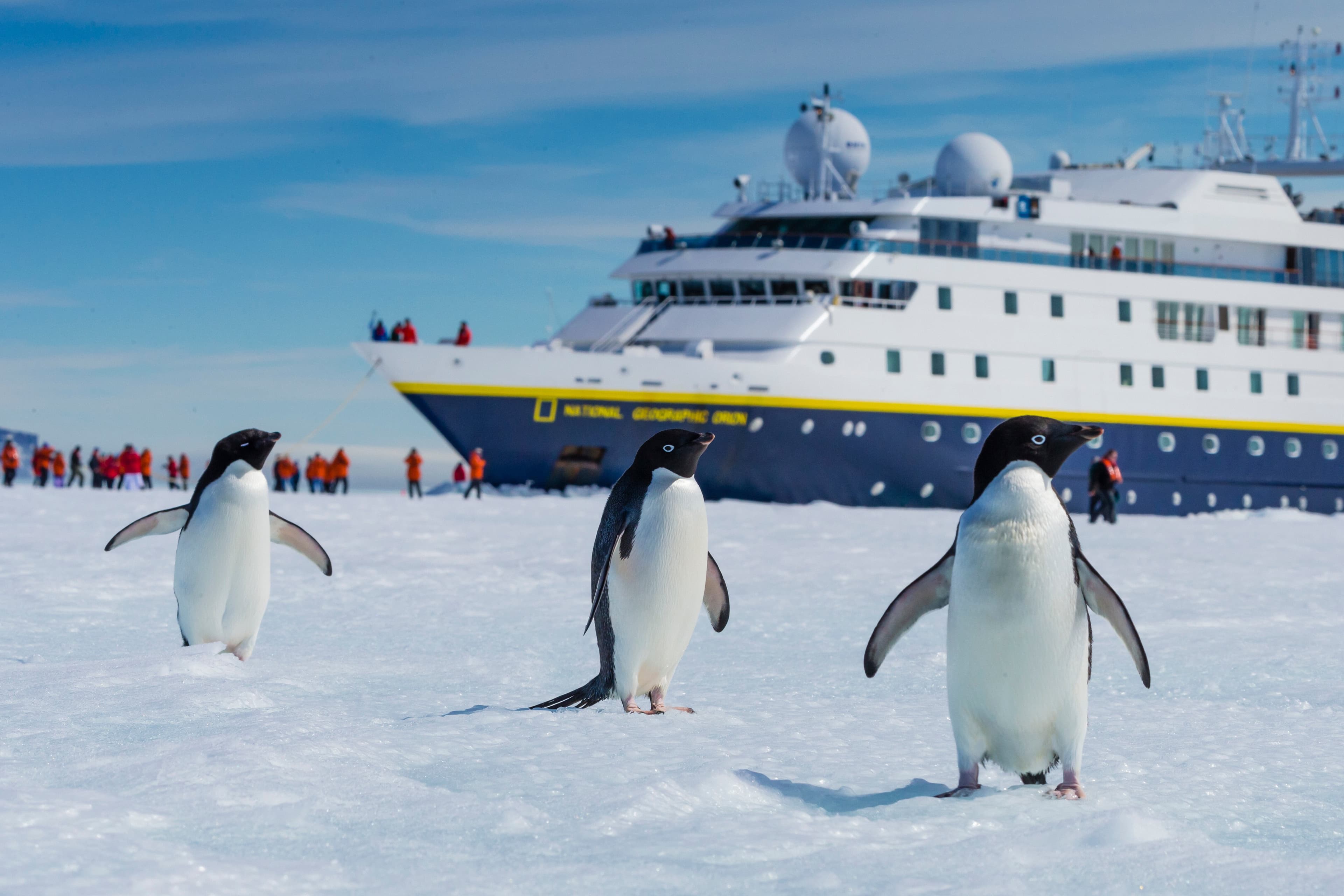
Blanketed in snow and surrounded by ice, Antarctica is brimming with a surprising array of species that have adapted to the extreme conditions. The unofficial mascot is the penguin—several species of this beloved bird populate the peninsula. But there’s much more to see on the seventh continent and, if you’re willing to venture a bit further, amid the wild isles of the Southern Ocean.
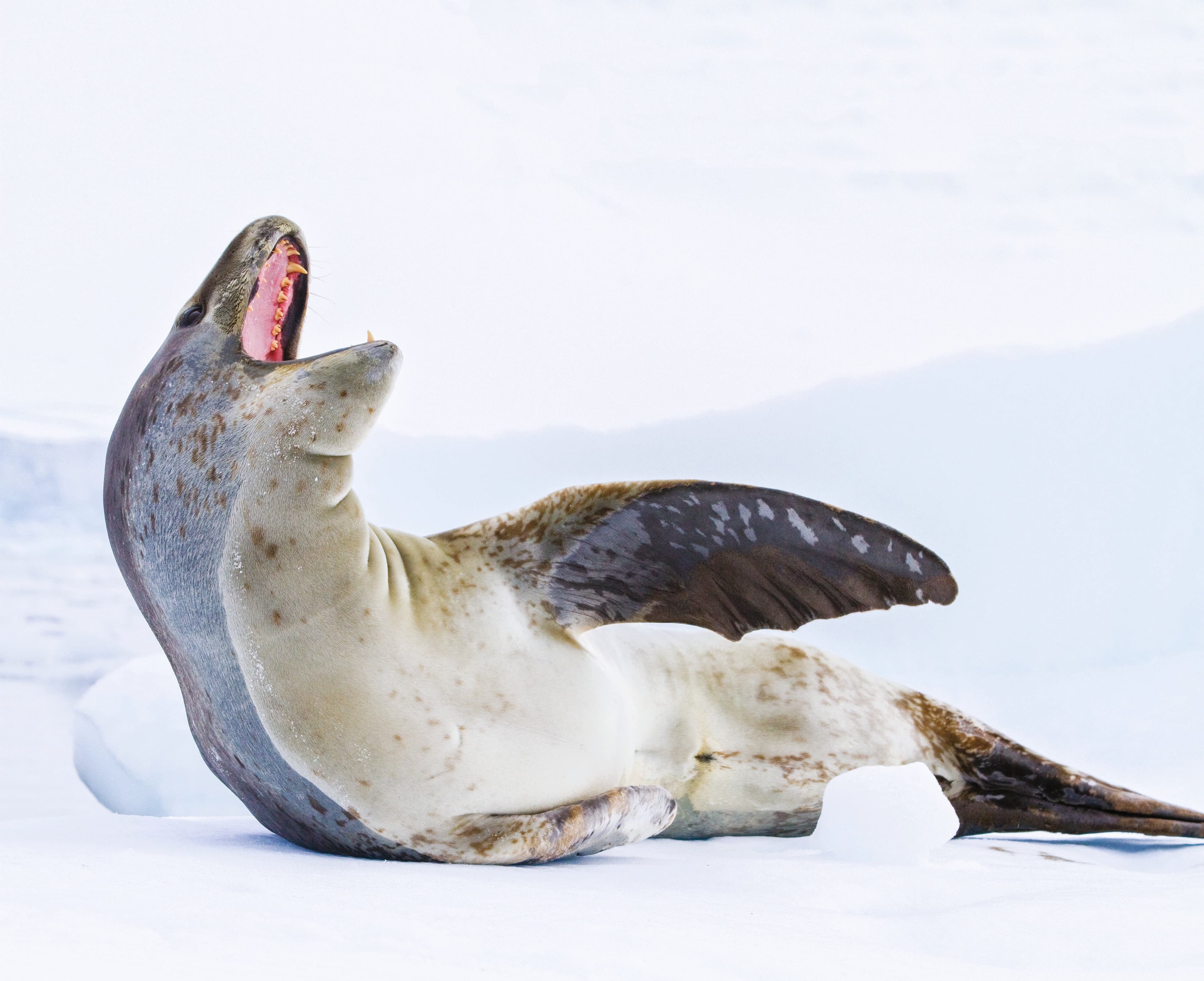
Fierce and feline-looking, leopard seals are named for their black-spotted coat and cat-like jaws. They are fast and ferocious hunters, ranking as Antarctica’s apex predator, along with orcas. Streamlined bodies help them rocket through water and chase prey at speeds of up to 25 miles an hour.
Photo: Michael S. Nolan
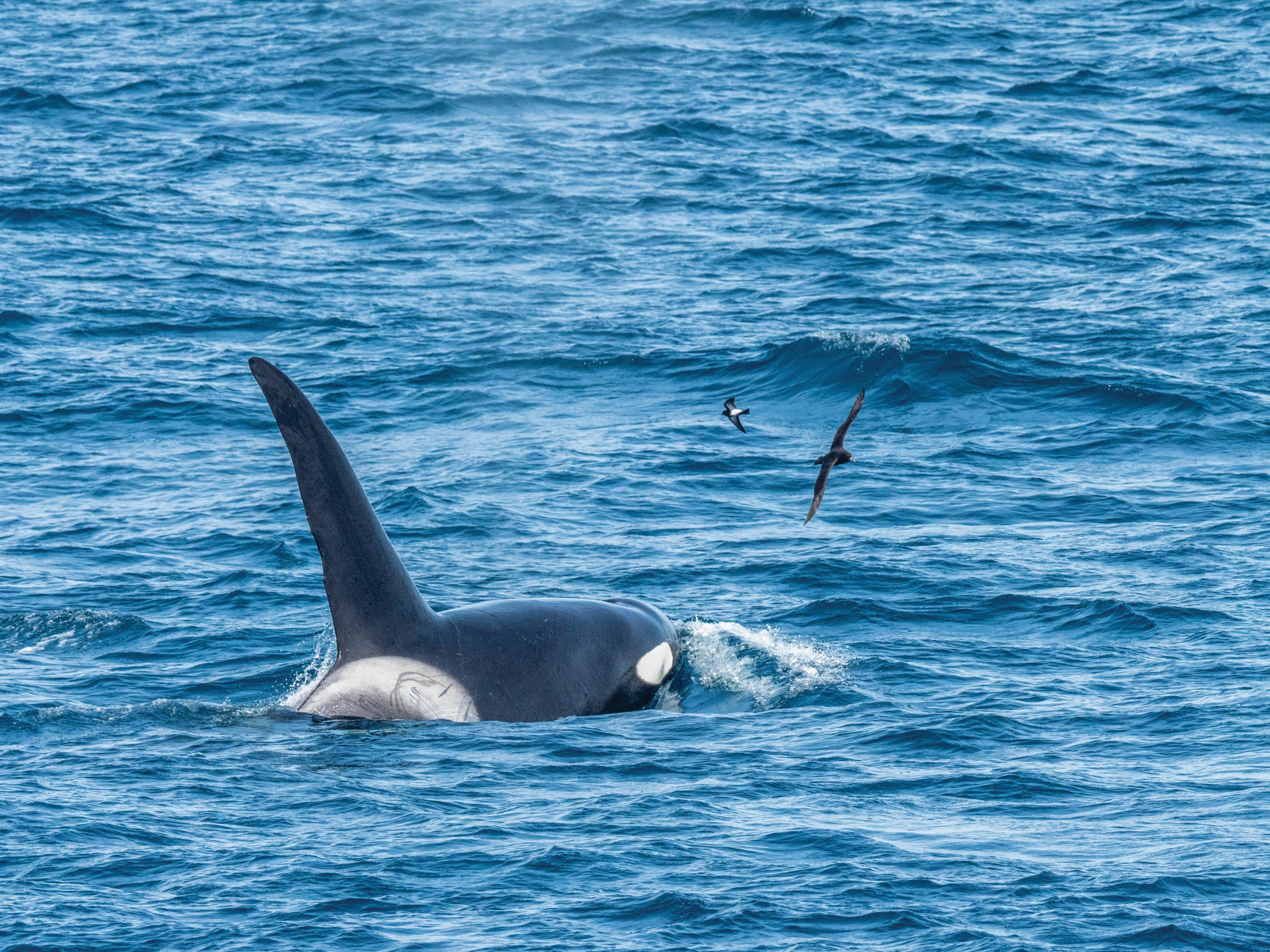
Orcas, or killer whales, are in fact the biggest species in the oceanic dolphin family—and the planet’s largest apex predator. These social creatures travel in pods known as matrilines, which have complex social hierarchies, with the elder females at the top.
Photo: Michael S. Nolan
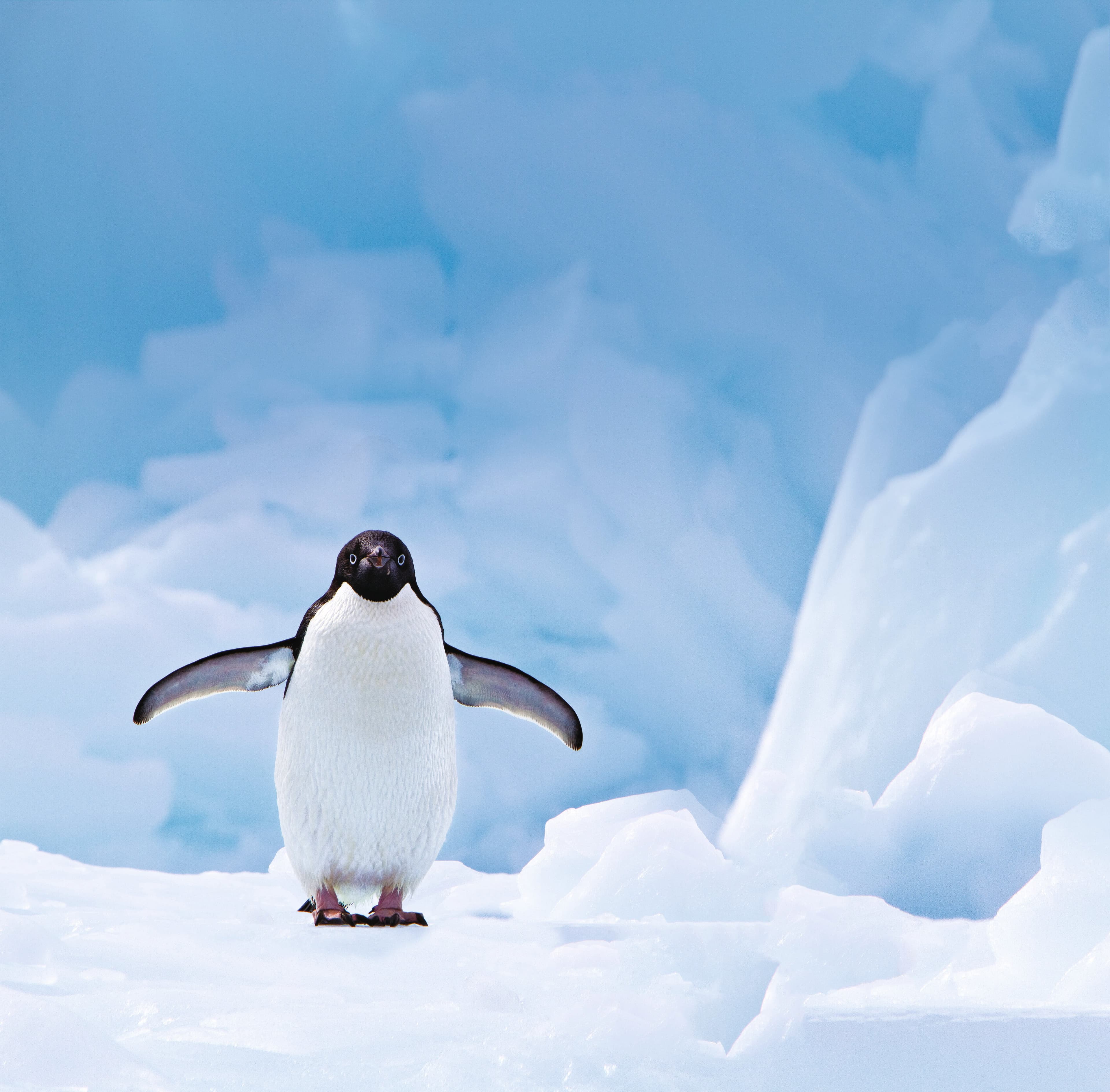
This is the species most people think of when they envision a penguin—the classic tuxedoed charmer. Huge colonies form during breeding season, and their courting is enchanting to witness. It involves a lot of calling and flipper-waving, and males present females with pebbles as a token of affection.
Photo: Michael S. Nolan
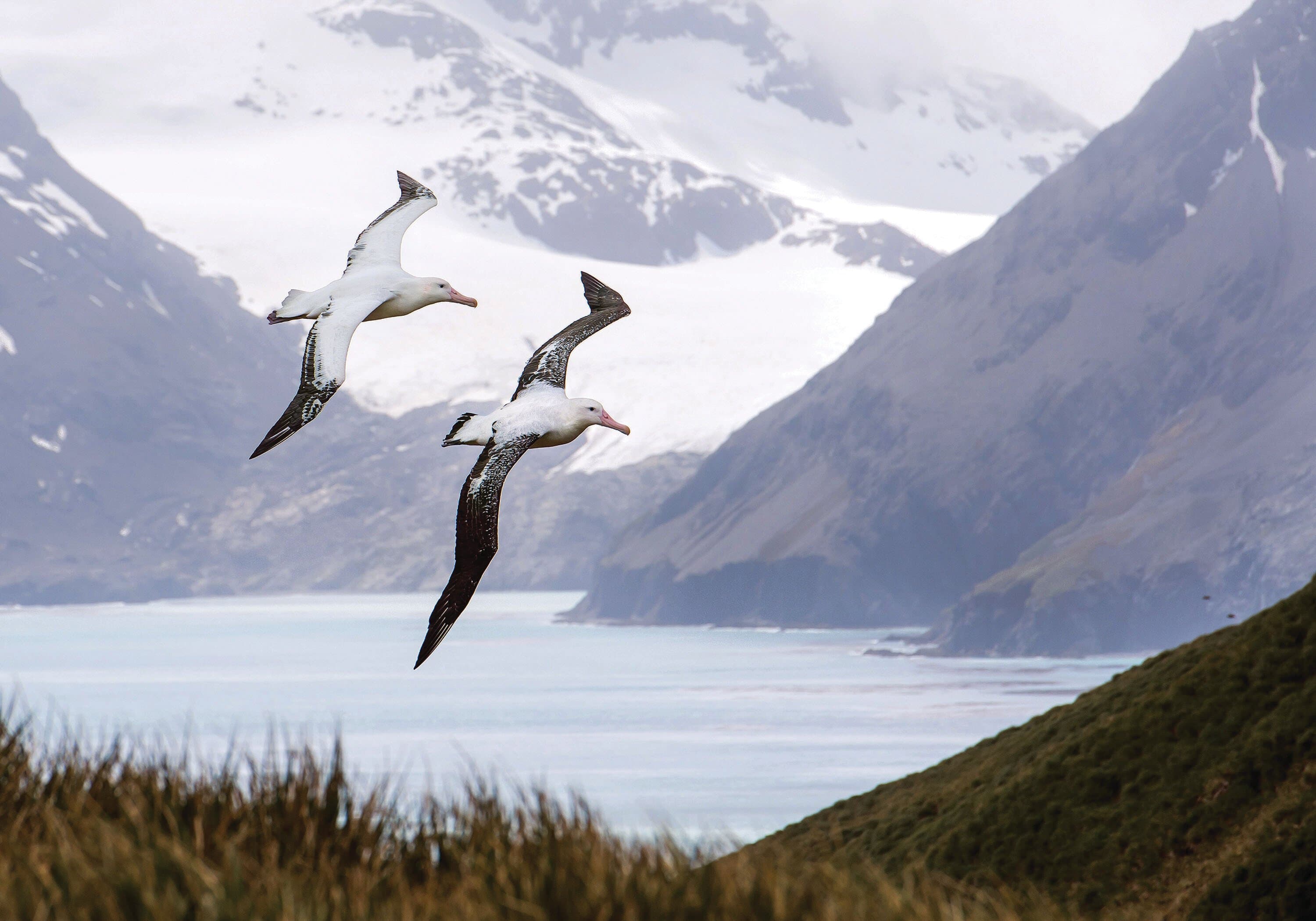
These migratory birds have the largest wingspan of any avian species—it can reach 11 feet, or more than twice the height of the average adult woman. During sea days, watch these efficient and graceful fliers ride the wind, cutting between wave crests before flying upwards on invisible overwater currents.
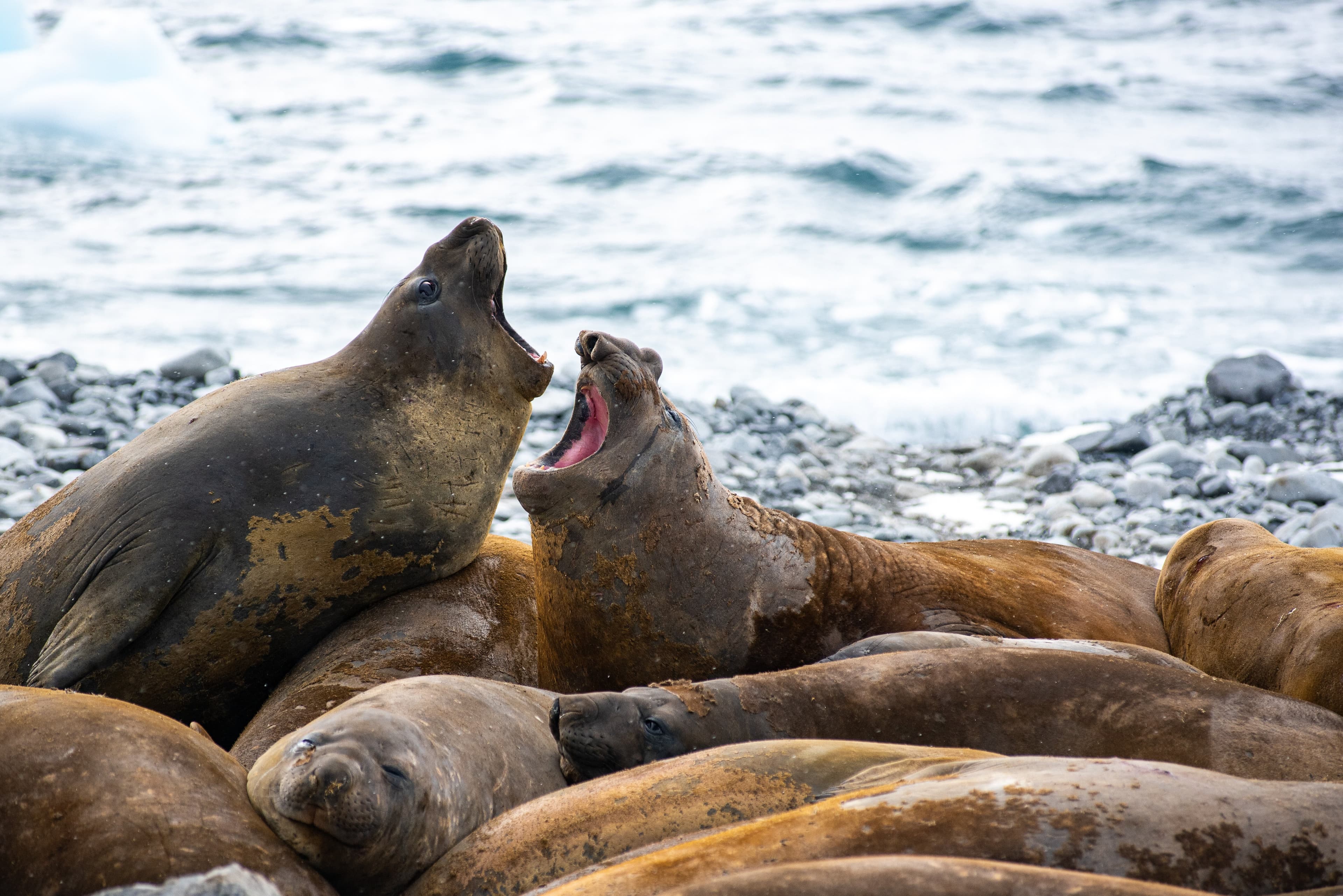
Though we regularly spot this largest seal species on the beaches of Antarctica and South Georgia, they also spend a considerable amount of time under water. They are one of the deepest diving animals on the planet, regularly descending six thousand feet or more in pursuit of their squid prey.
Photo: Alexandra Daley-Clark
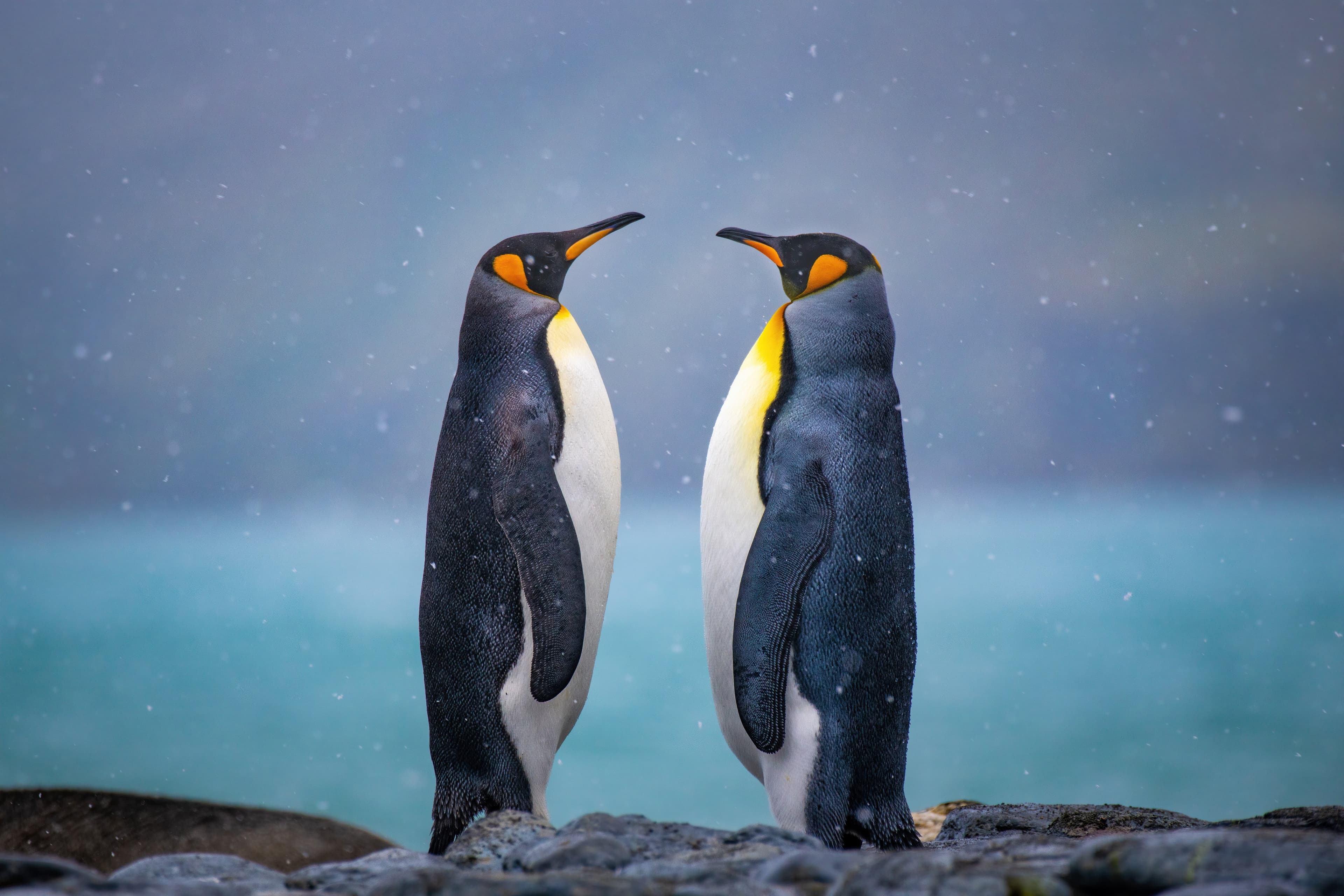
There is nothing quite like coming ashore on South Georgia and standing face-to-face with tens of thousands of stately king penguins, all on a single beach. Their striking orange head and throat markings make them the most colorful of the penguin species, and they stand second in size only to the emperor.
Photo: Max Seigal
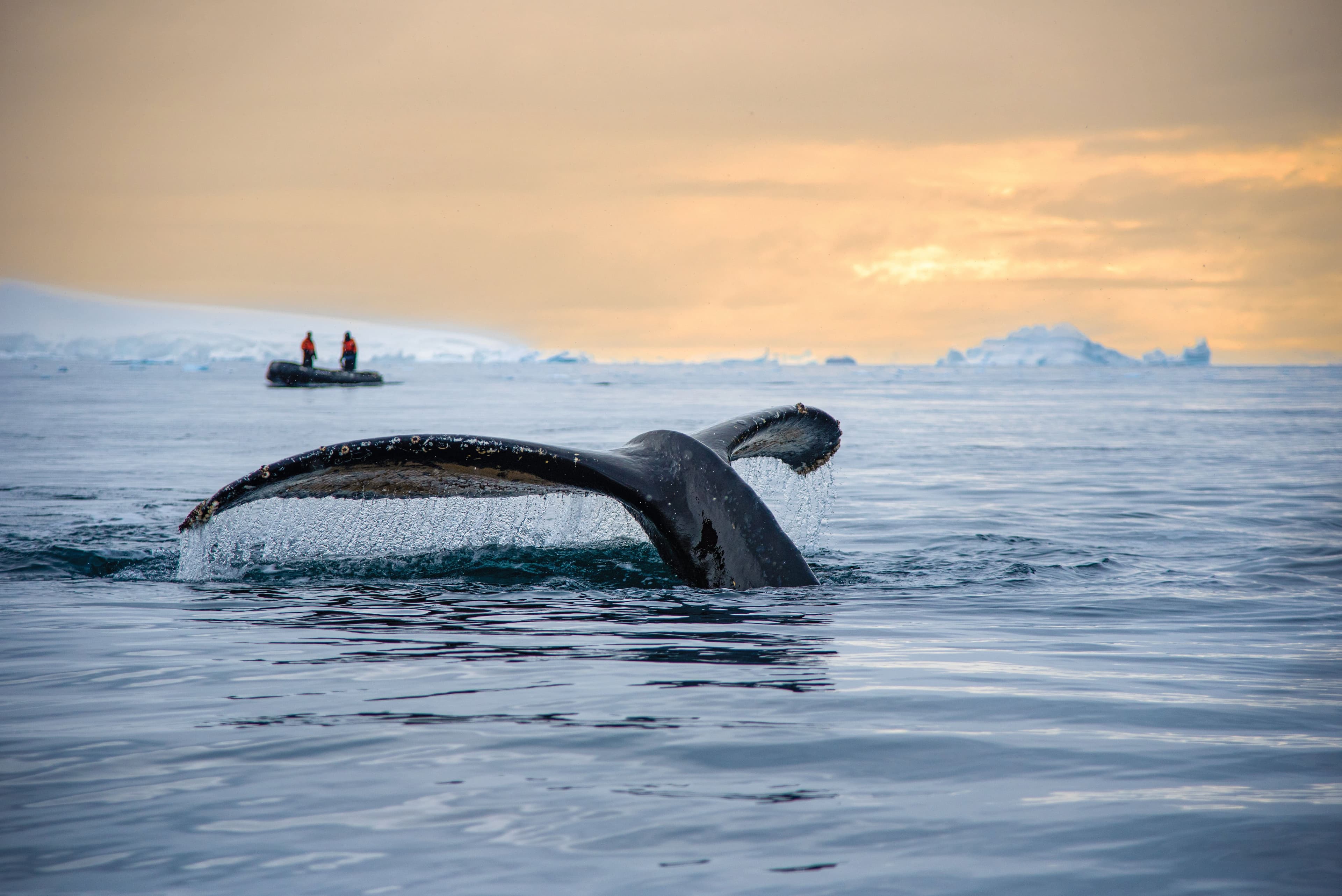
Abundant in Antarctica waters during the southern hemisphere summer, humpbacks come here to feed on krill, plankton, and small fish—up to a ton and a half per day. Those reserves sustain them through a six-month fast, when energy is focused on migrating and breeding.
Photo: Kim Nesbitt