5 Things You Didn’t Know About Cabo Pulmo National Park
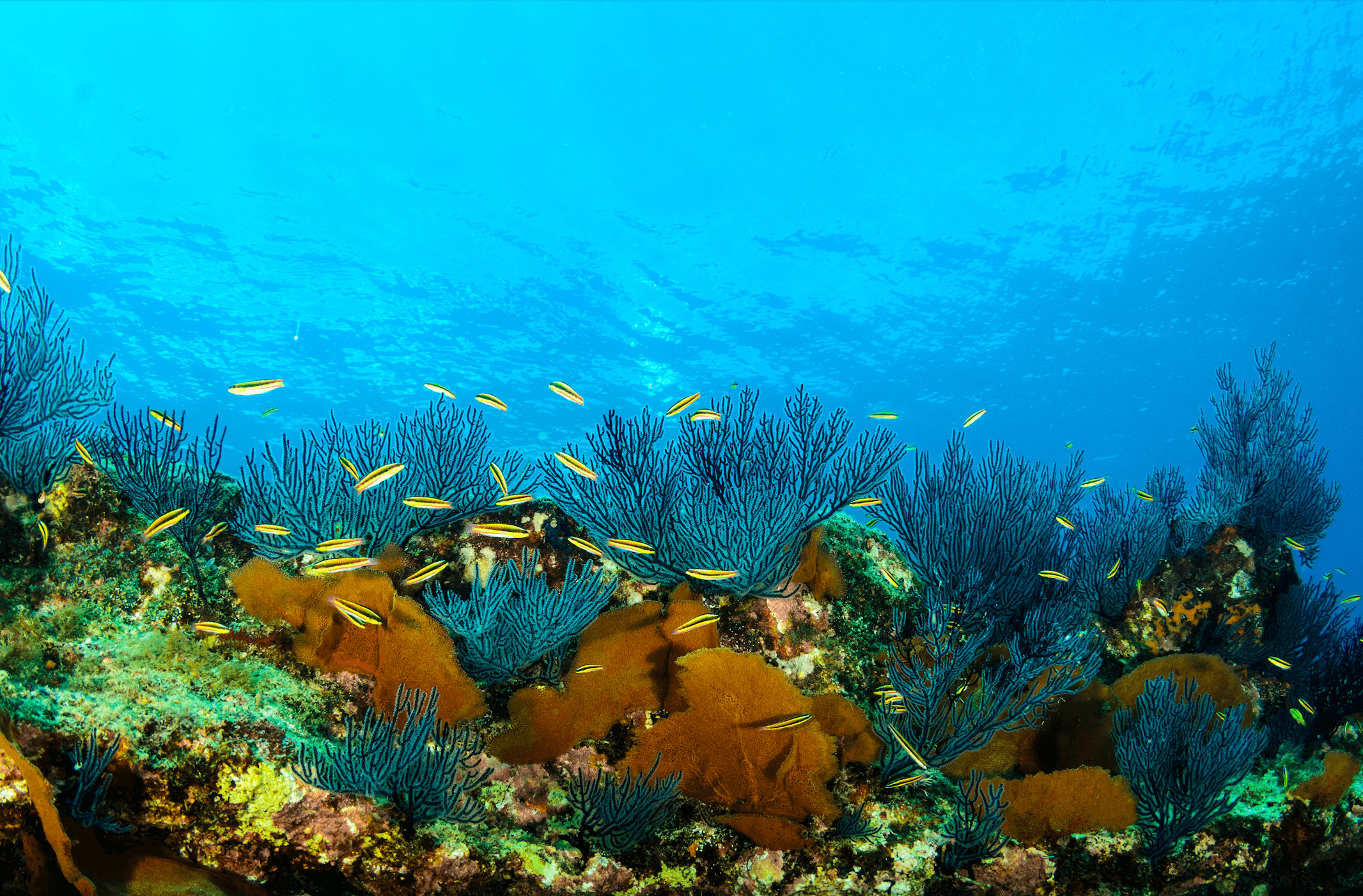
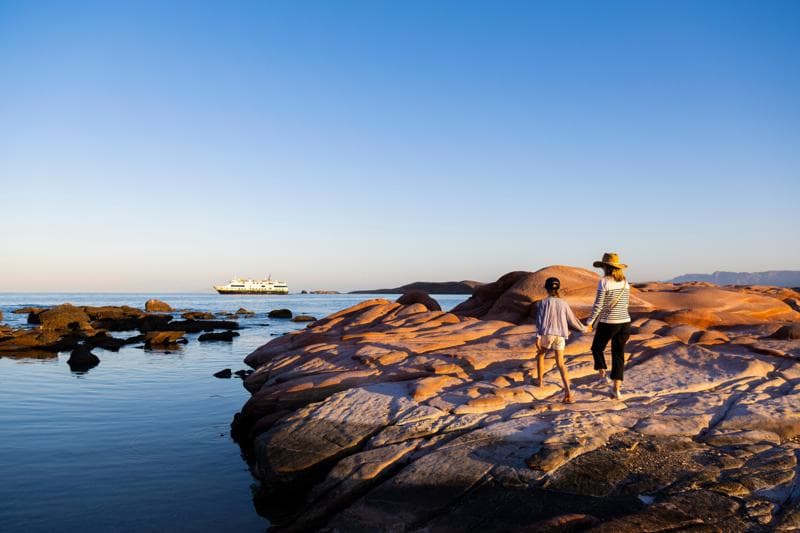
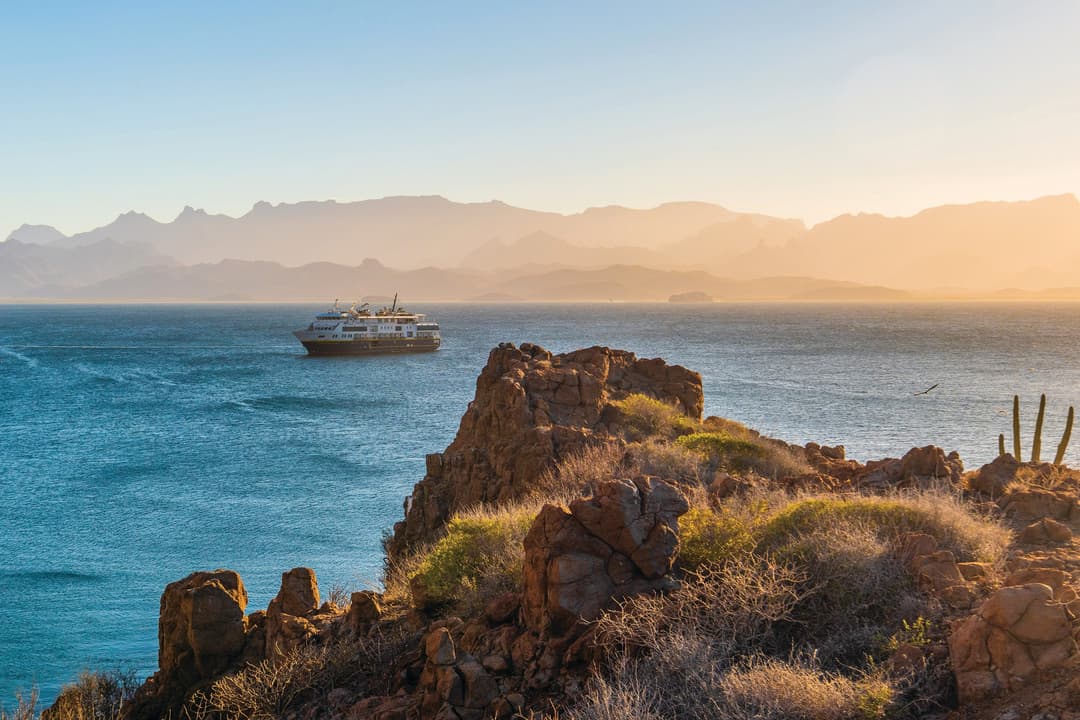
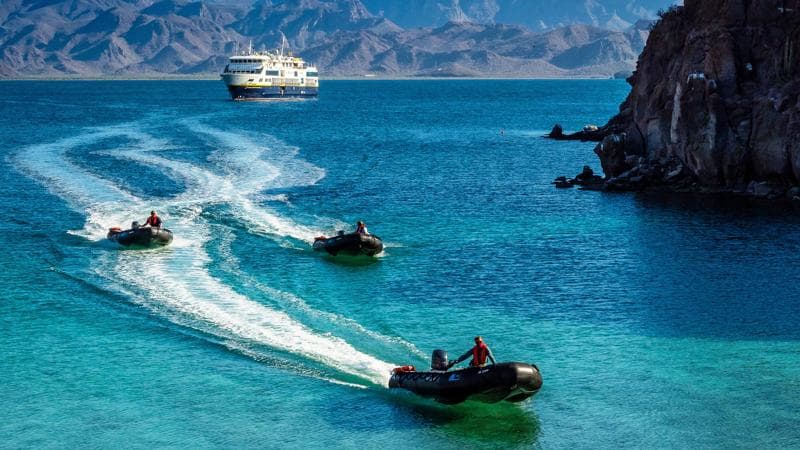
One of the planet’s most thrilling snorkel destinations is a shallow reef off the tiny Baja California community of Cabo Pulmo. Here, an extraordinary diversity of species ranges from purple snails to humpback whales, and walls of fish can obscure the sun. Just 60 miles from the tourism center of Los Cabos but a world away, Cabo Pulmo is a blink-and-you-miss-it town of unpaved roads and 100 residents who played an integral part in protecting the neighboring waters they regularly relied on. Here are five things to know about this extraordinary reef which you can explore up close with National Geographic-Lindblad Expeditions.
It’s the Only Thriving Hard Coral Reef on the Pacific Coast
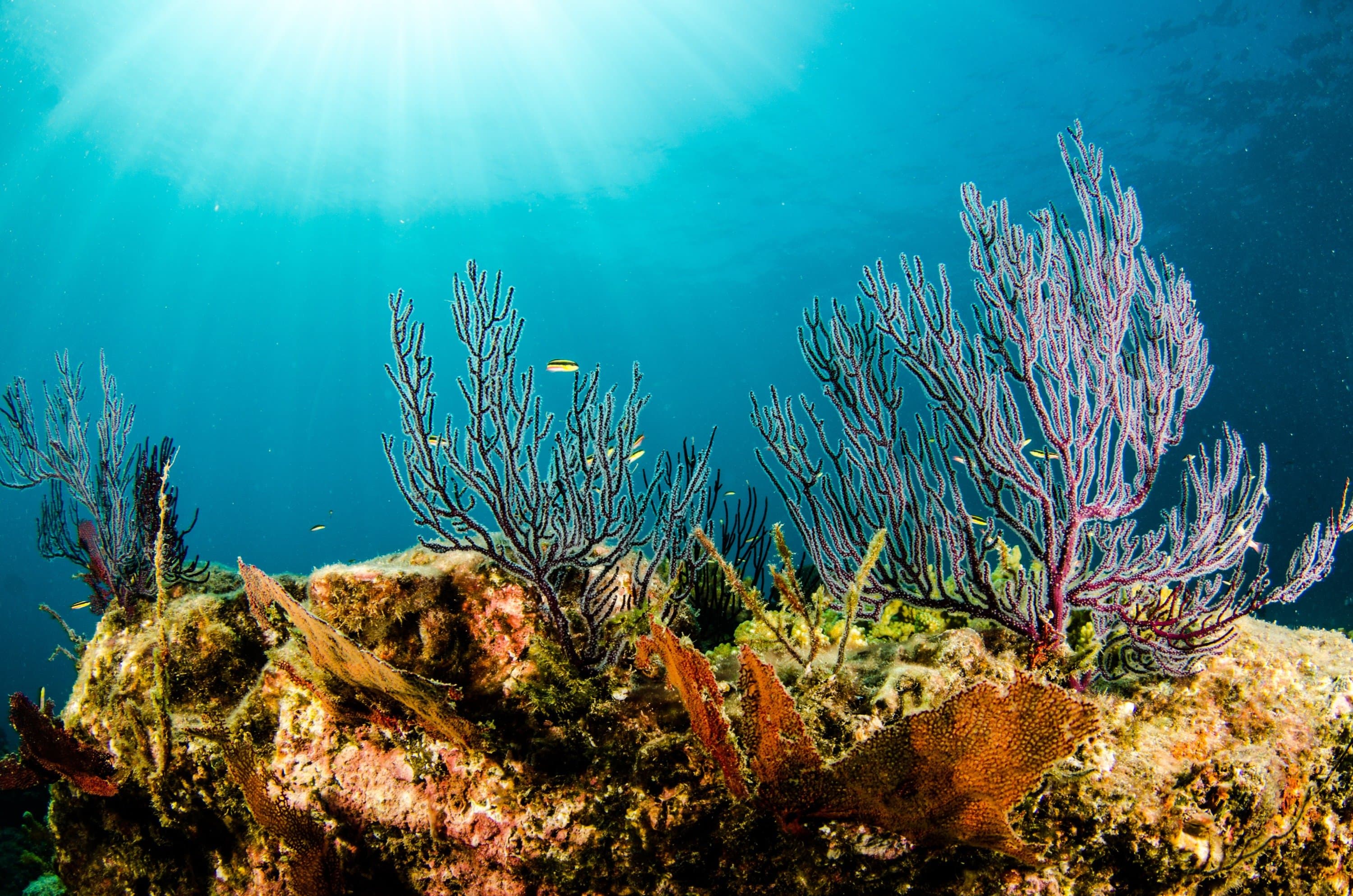
The Pacific coast of North America hosts just one thriving hard coral reef ecosystem, and this jewel of the Gulf of California is now protected within the 27 square miles of Cabo Pulmo National Park. Hard corals grow in colonies and look more like rocks whereas soft corals most resemble plants. The reef in Cabo Pulmo National Park creates the gulf’s widest coralline cover and juts out in eight fingers that are composed of 11 varying coral species.
It's Among the World's Most Successful Marine Protected Areas
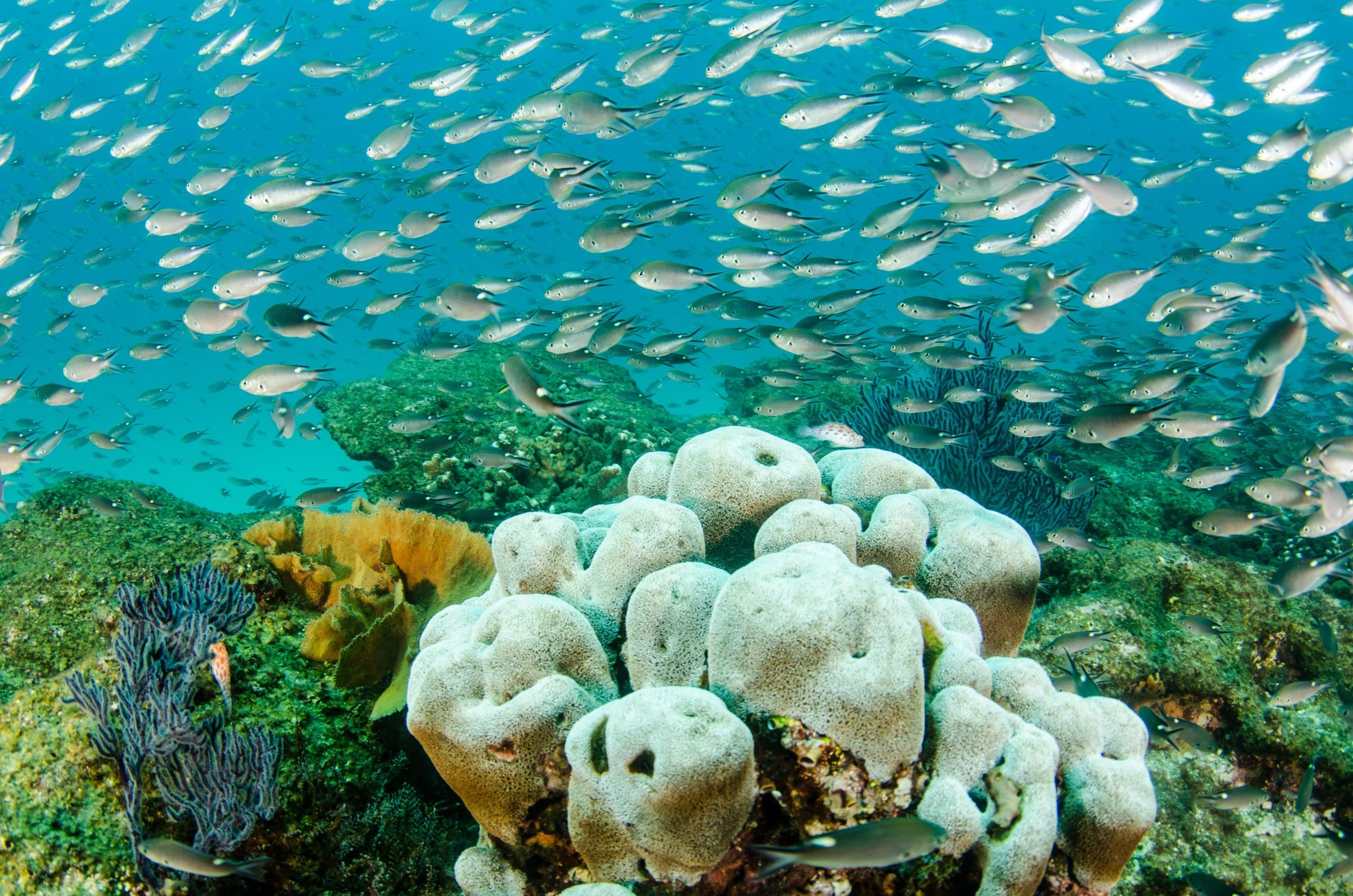
In 1995, Cabo Pulmo’s once-thriving reef was in jeopardy due to commercial overfishing. The citizens of the neighboring fishing community watched as their daily catch diminished and the reef experienced frequent bleaching events. Inspired to take action and safeguard their future resources, residents worked with conservationists and the Mexican government to secure the reef's protection, creating an area where fishing was banned. Today, this reef is one of the most successful Marine Protected Areas in the world, boasting an almost 500 percent increase in biomass; it has been recognized as both a UNESCO World Heritage Site and a Ramsar Wetland of International Importance; and the community has shifted from a fishing-based economy to ecotourism.
It's a Critical Haven for Endangered Species
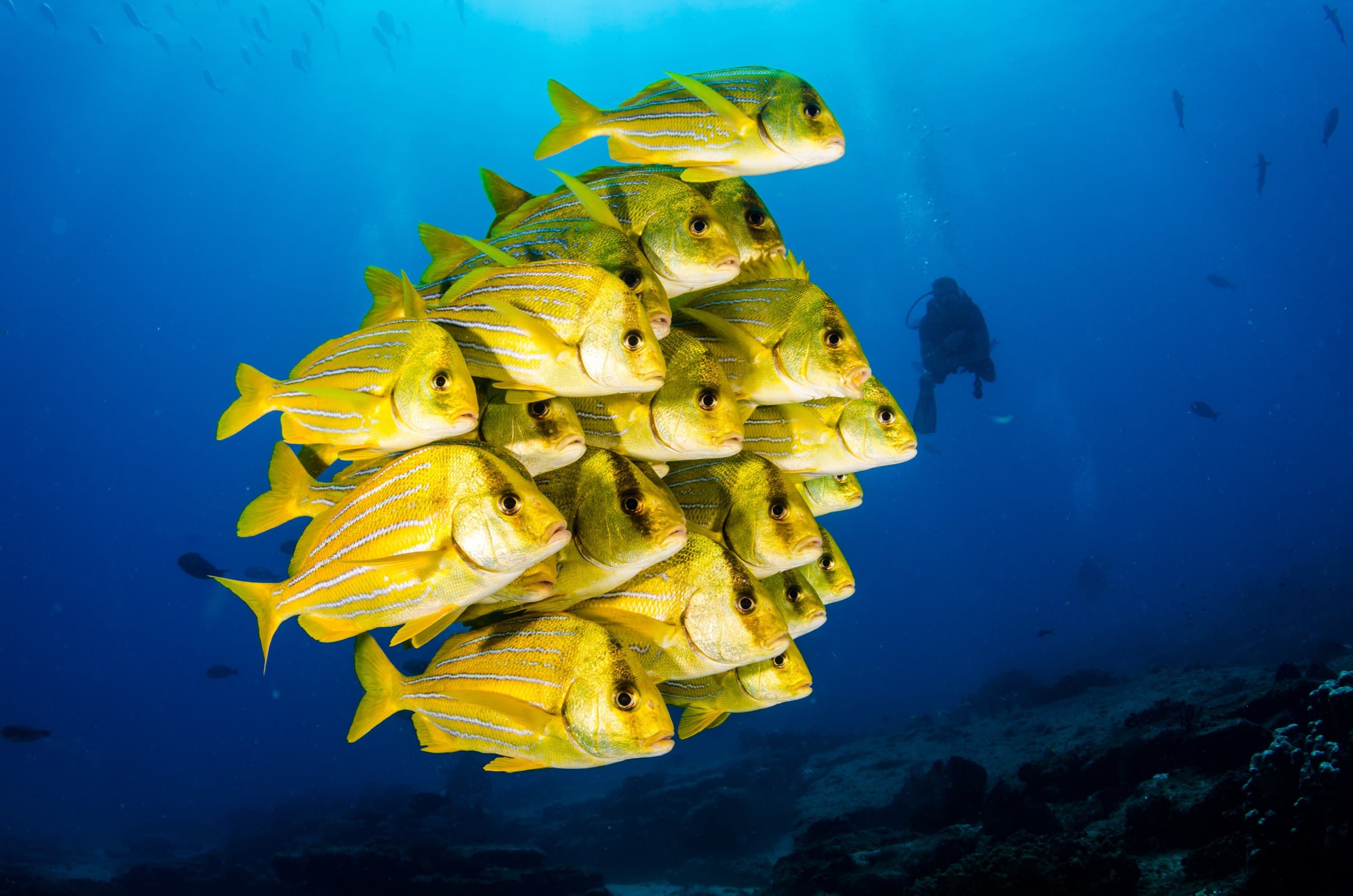
In addition to an enormous resurgence of an amazing diversity of fish, Cabo Pulmo’s ban on fishing also created a safe habitat for marine life that is endangered, threatened or subject to special protection. Among these are five species of sea turtle, mother-of-pearl, sea cucumbers and the often human-sized gulf grouper. Now, sharks and rays, sea lions and amberjacks, tuna and eels can all be observed with excellent visibility in Cabo Pulmo’s shallow water, making it a delightful highlight for snorkelers aboard voyages with National Geographic-Lindblad Expeditions.
The Reef Is Around 20,000 Years Old
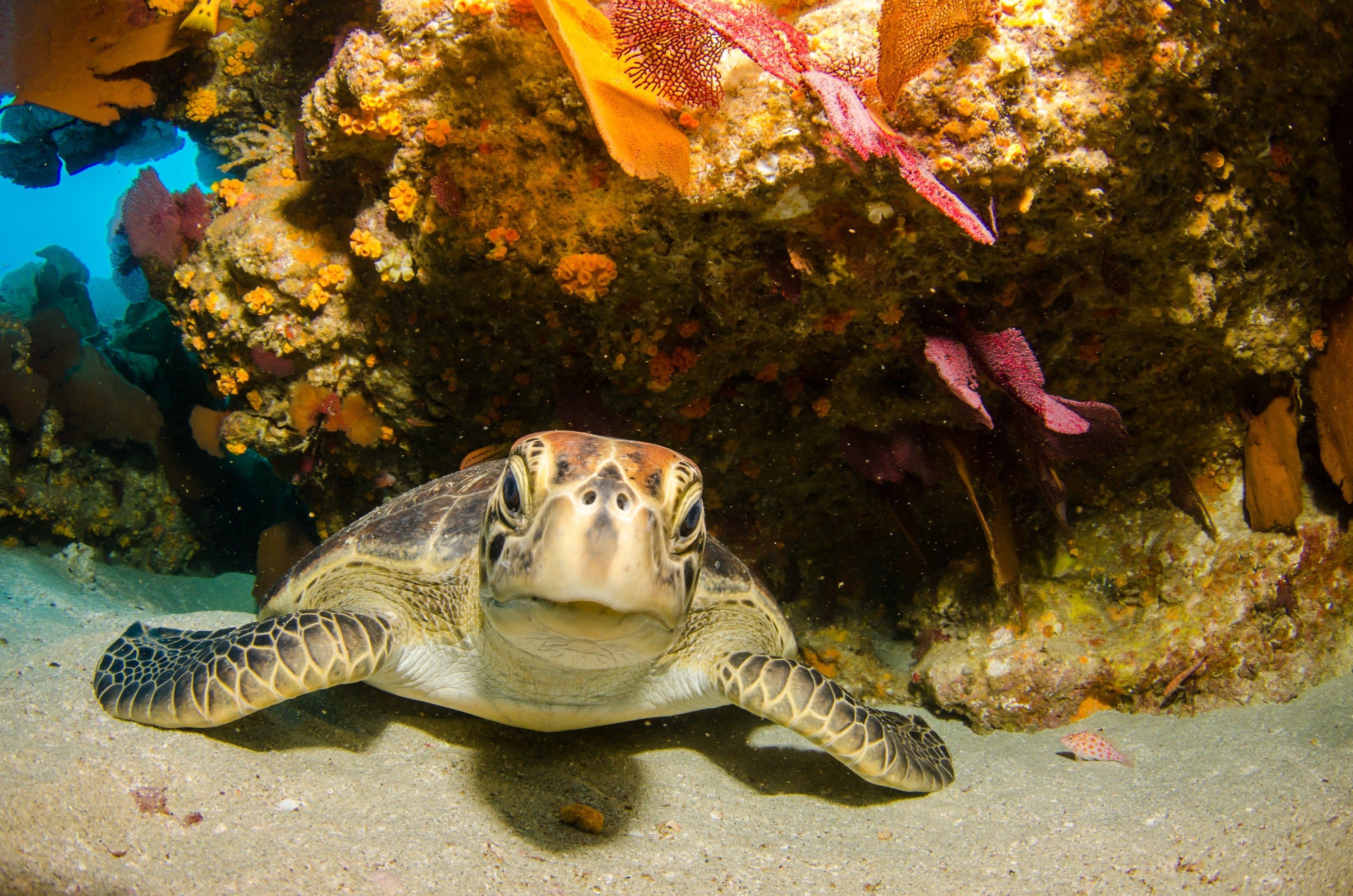
Cabo Pulmo’s coral reef was formed around the peak of the last ice age, 20,000 years ago, according to the Scripps Institute of Oceanography at La Jolla. This makes it one of the oldest reefs in the American Pacific as compared to those in Panama, for example, which are only around 5,000 years old. There are few reef systems anywhere on Earth that are more than 10,000 years old. This age is additionally noteworthy when considering how long it takes for coral polyps to develop into a reef, as the average range of growth is only between one and eight inches a year.
There's Incredible Biodiversity on Land as Well as at Sea
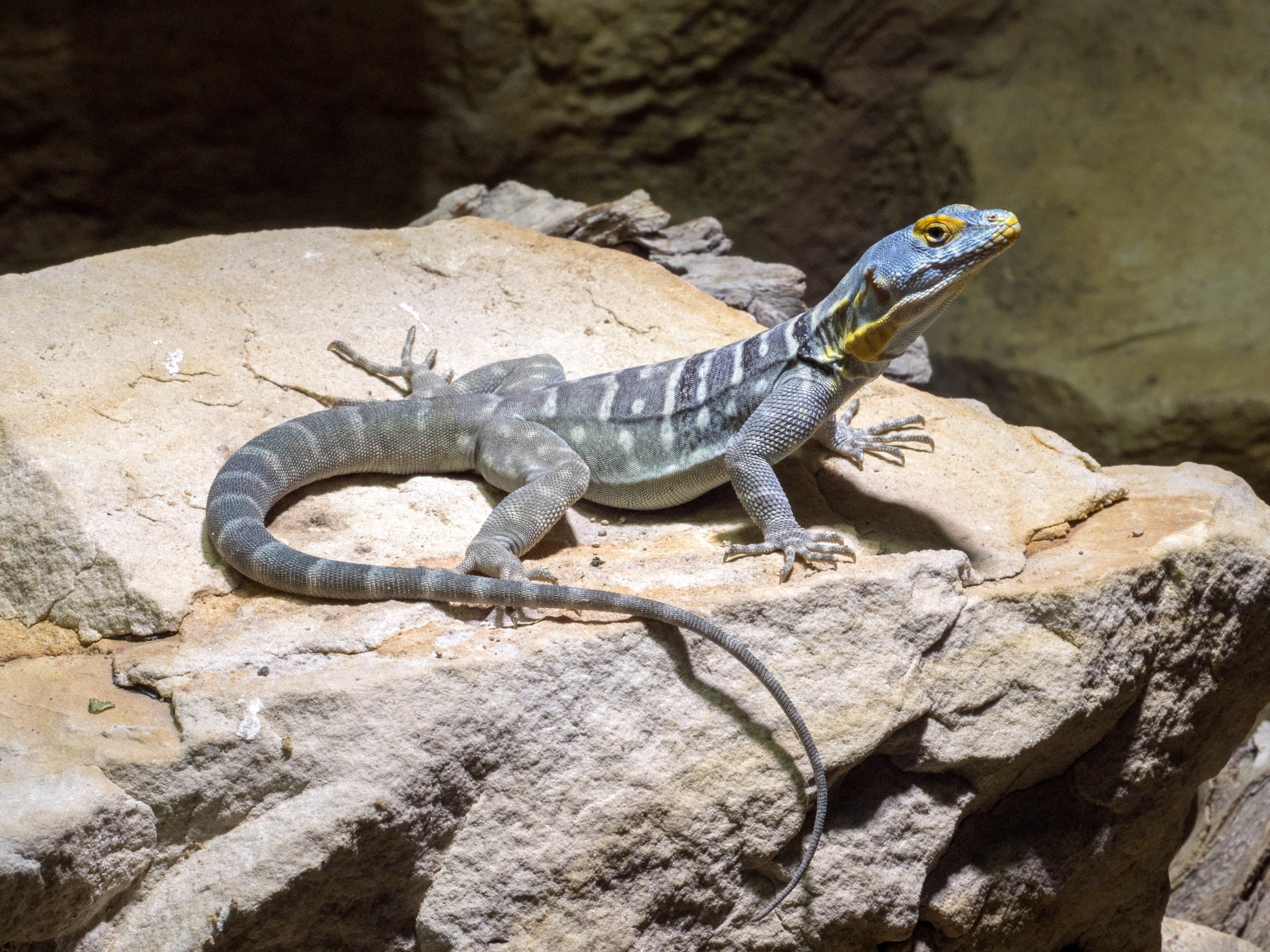
The land adjacent to Cabo Pulmo’s reef also holds remarkable biodiversity. There are plants found nowhere else in the world like ironwood and viejito, which are protected. Take a break from the water to spot rare reptiles like the Baja blue rock lizard and San Lucan skink, and birds including peregrine falcons, red-tailed hawks, and hooded orioles. Among the 44 species of mammals, 29 species of reptiles, and 95 bird species in the reef’s immediate area, 41 are endangered. This beautiful, wild region of dunes, arroyos, and ridges is just as critical to protect (and as fascinating to explore) as its world-class reef.