6 Stunning Sites That Define Japan
Much of Japan’s beauty stems from its harmonious coexistence with and reverence for the natural world. The 11th-century Tale of Genji shows this marked sensitivity to the environment, expressing the importance of the seasons through exquisite descriptions of nature: “The cherries that were gone elsewhere smiled here in all their beauty, and the wisteria twined about the galleries opened into deep-hued clusters.”
Our itineraries to Japan are steeped in this tradition—whether we’re encountering thousand-year-old cedars on Yakushima Island or strolling through Japan’s most treasured landscape gardens. Ahead, we’ve detailed six of the storied sites you could explore along the way—a mix of castles, gardens, islands and shrines that reflects the multifaceted culture and history of this extraordinary destination.
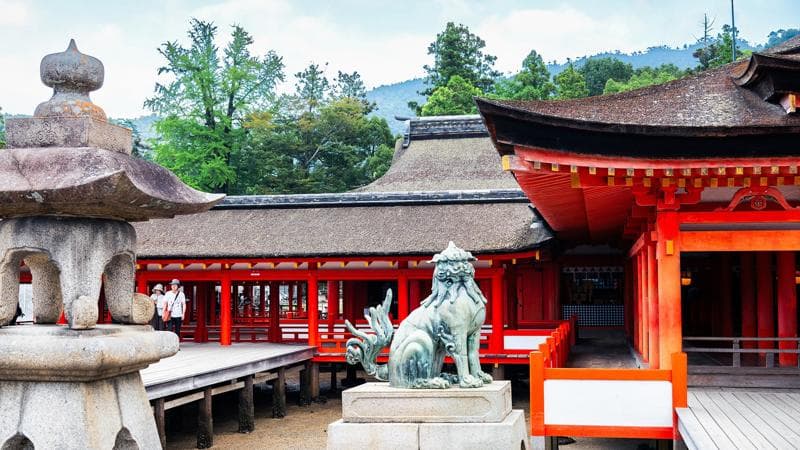
Itsukushima Shrine
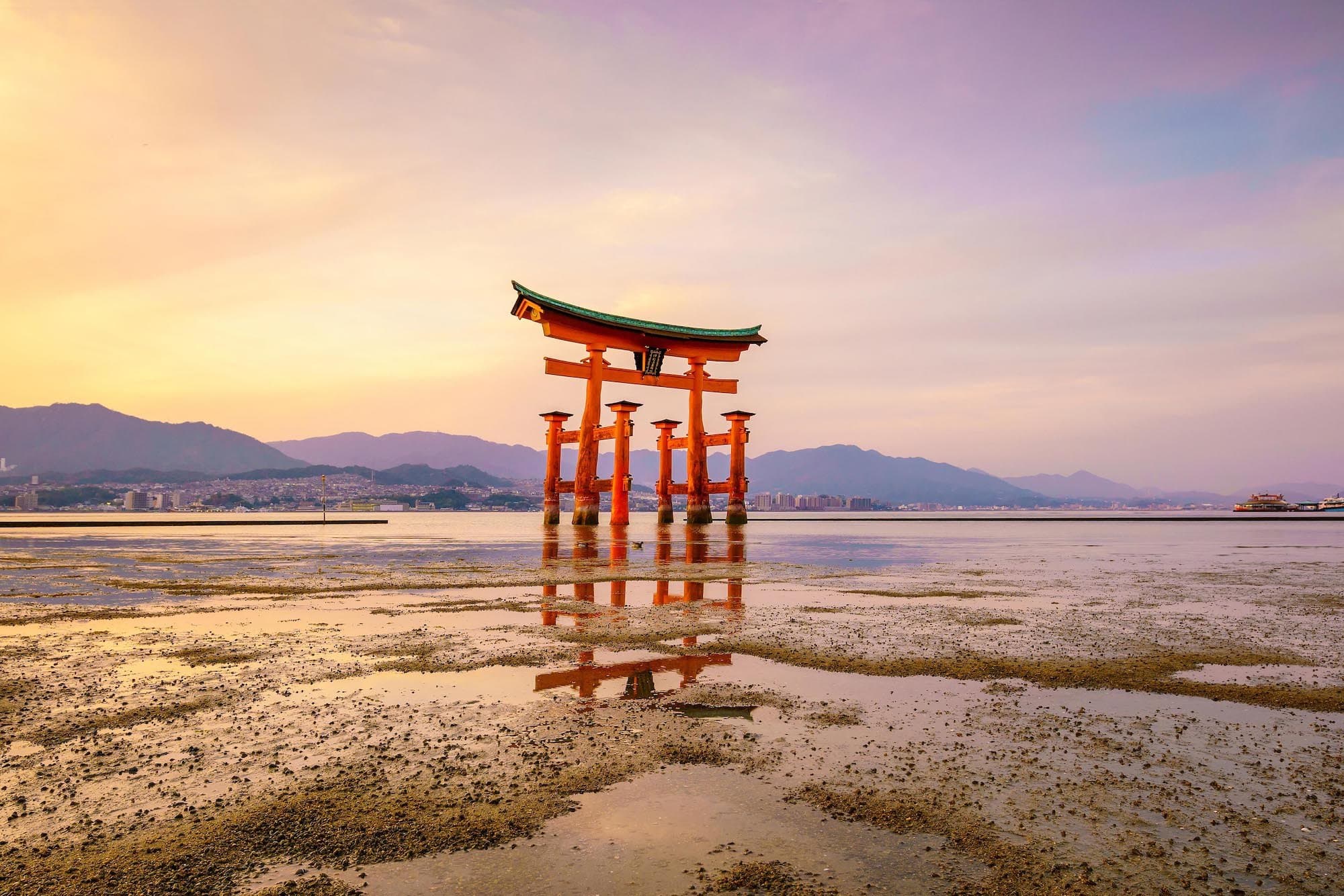
During high tide, the iconic red torii gate—with its gentle slope of centuries-old camphor wood—floats serenely over the waters of Hiroshima Bay. Here on the island of Itsukushima, more popularly called Miyajima (“shrine island”), it marks the sacred space of the renowned Itsukushima Shrine, a Shinto shrine that dates to the 12th century. A masterpiece of shinden architecture considered one of Japan’s three most scenic places, the entire 56-structure complex stands elevated above the water, a practice that supposedly kept worshippers from standing upon the sacred ground. Visitors have long sought this spiritual sanctuary built in harmony with the natural environment: the main shrine, one of the largest in Japan, is dedicated to three Munakata deities.
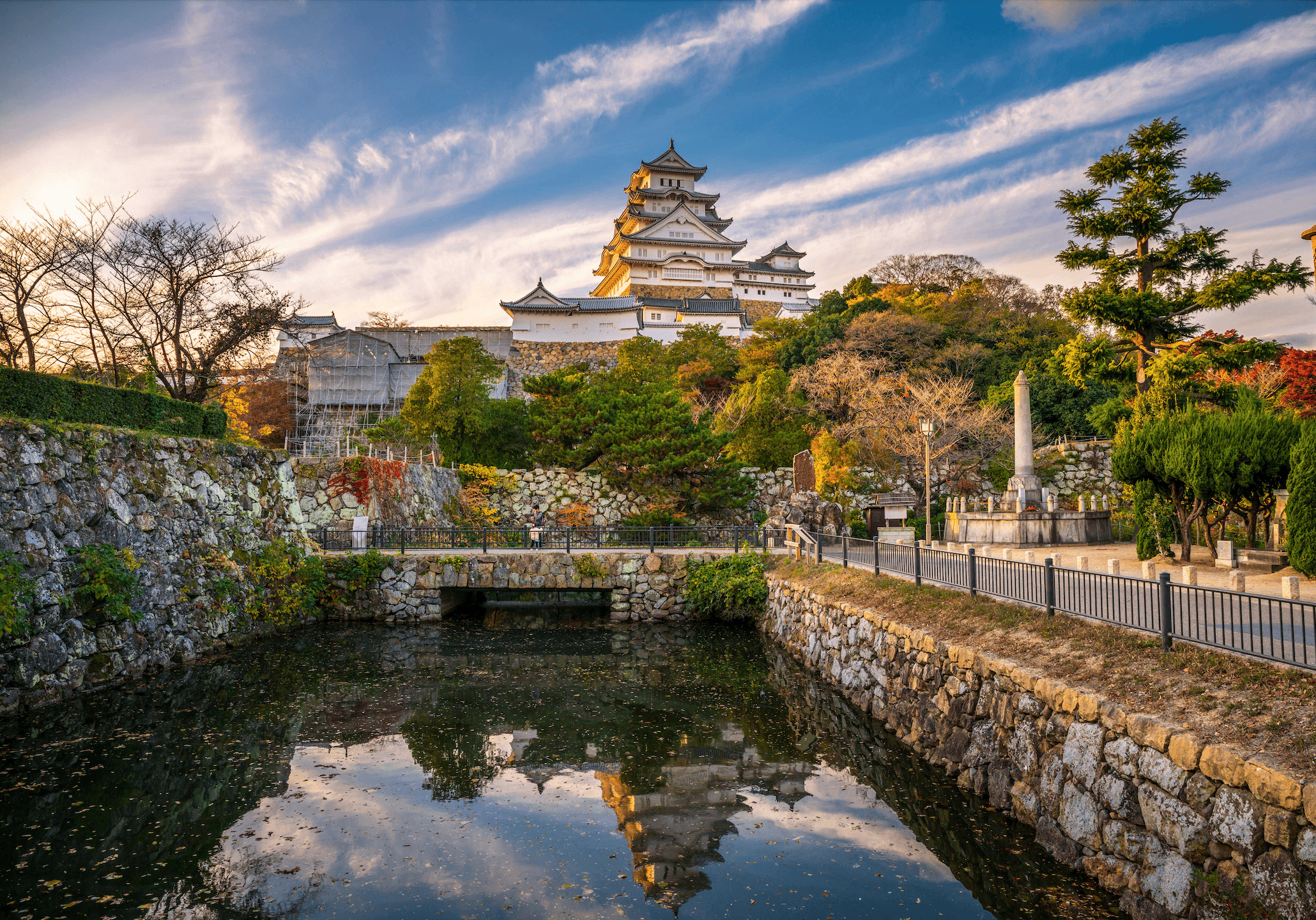
Himeji Castle
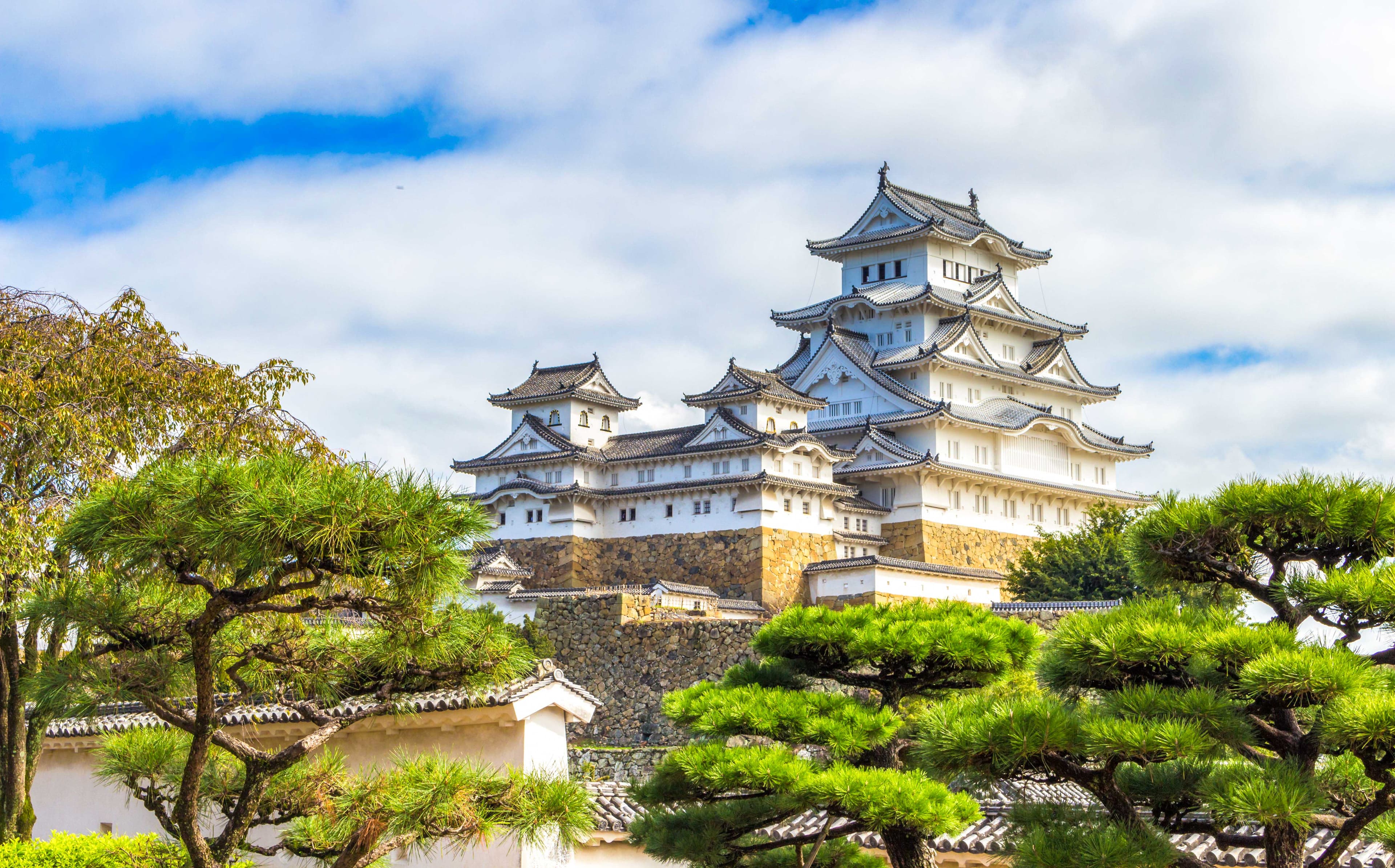
A magnificent vision in white perched atop Mt. Hime, Himeji Castle is one of Japan’s 12 ancient castles—its largest, best-preserved and perhaps most-revered. Comprised of more than 80 buildings, this Edo-period site was originally built as a fortress, and although it never saw battle, the defensive layout—a complex labyrinthine construction—makes for exploration filled with delightfully unexpected moments. Nicknamed “White Heron Castle” after its gleaming facade, this national treasure was one of the first Japanese World Heritage sites registered by UNESCO, in 1993. A short walk west of the castle's main gate, the nearby Kokoen Garden stuns with its nine separate, walled gardens designed in various styles of the Edo Period.
Naoshima Island
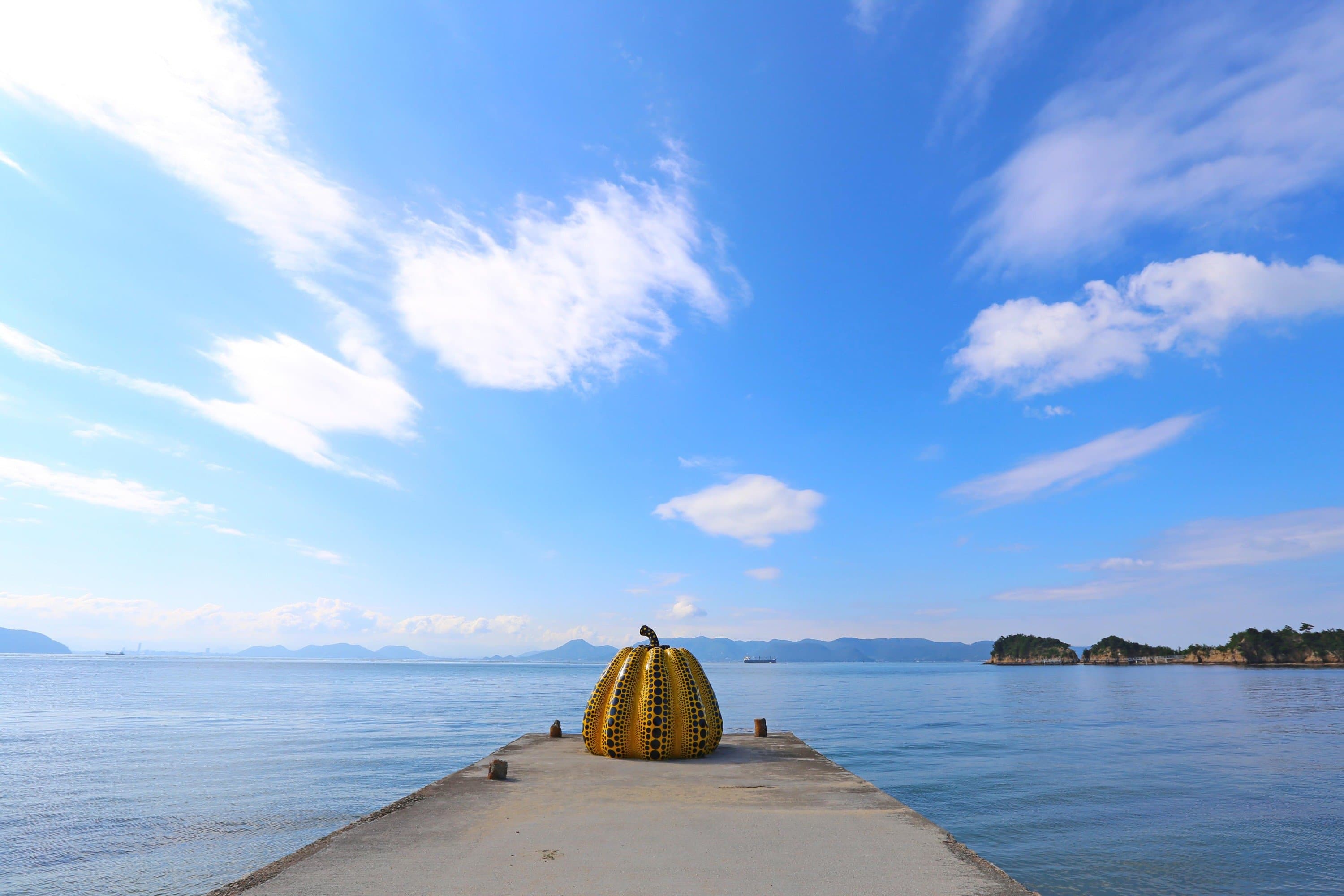
Since 1994, Yayoi Kusama’s iconic pumpkin sculpture has been installed at the edge of an abandoned pier on Naoshima, serving as a de-facto emblem for the now aptly nicknamed “art island." It has developed into a thriving destination for art lovers, thanks to its many museums, galleries, art projects and installations, plus the kind of high-end, creative architecture typical of these spaces. The Chichu Art Museum, a mostly underground structure designed by famed architect and concrete master Tadeo Ando (responsible for nine buildings on Naoshima), hosts blue-chip modern and contemporary artworks by artists like Claude Monet, James Turrell and Walter De Maria. The more community-focused Art House Project, begun in 1998, invites artists to transform abandoned residential houses on the eastern coast of the island into works of art, bringing visitors into local neighborhoods.
Okayama Castle
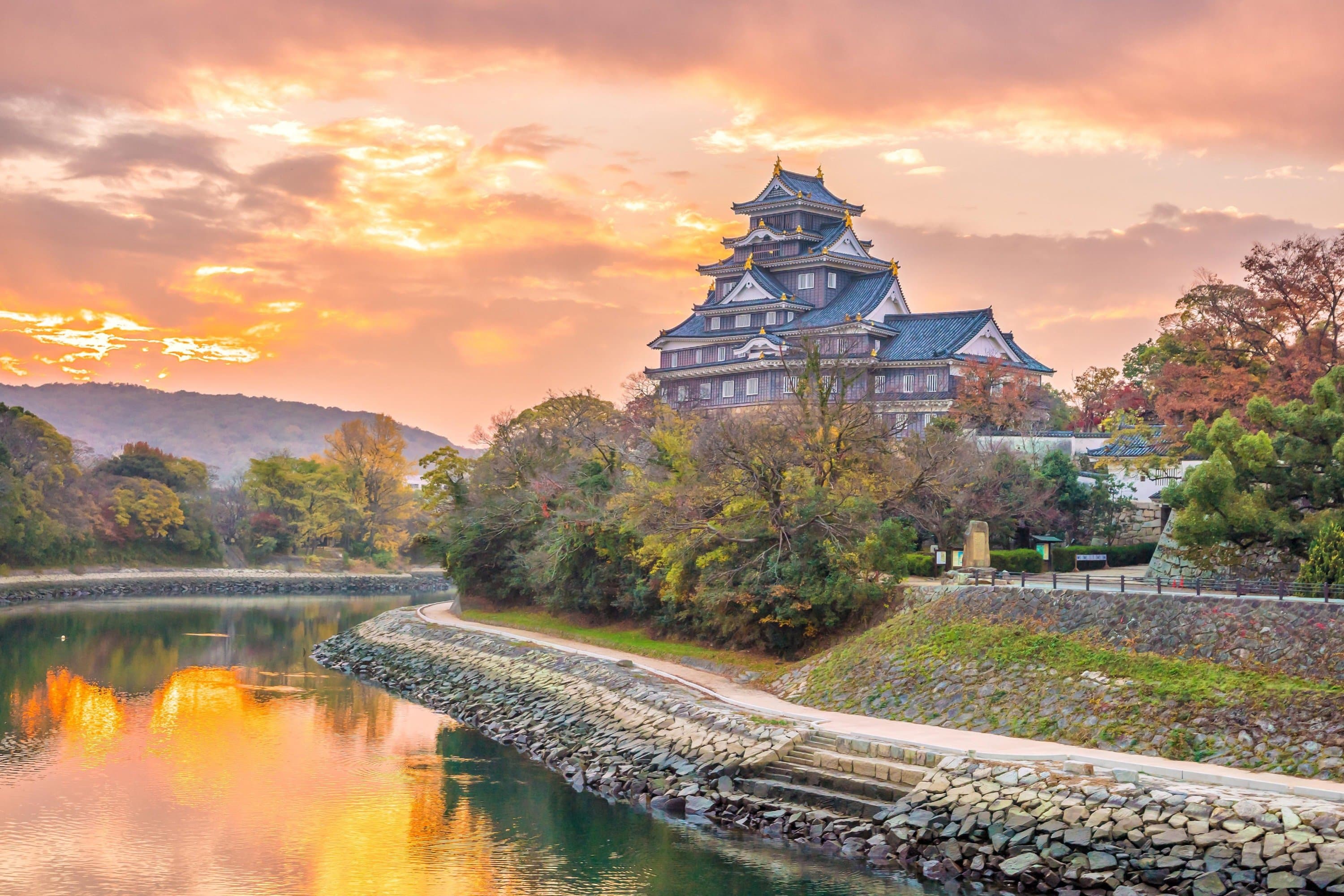
Many of Japan’s ancient castles didn’t emerge safely from the war, and for Okayama Castle in western Japan, only one of the original buildings survived. Painstakingly rebuilt in 1966, “crow castle” is a striking all-black edifice with contrasting white gables and gilded roof finishes. On the ground level, a pottery studio welcomes visitors to craft Bizen-yaki (a type of hard, unglazed pottery favored in flower arranging and local to Okayama Prefecture). Next door is the famed Kōrakuen, one the country's “three great gardens”—a 28-acre formal landscape first completed in 1700. Its magnificent design is widely praised for its beauty, perfect for strolling or quiet contemplation, with a mix of both Chinese and Japanese elements across scenic ponds, bridges and hills alive with plum, cherry and pine trees.
Yakushima Island
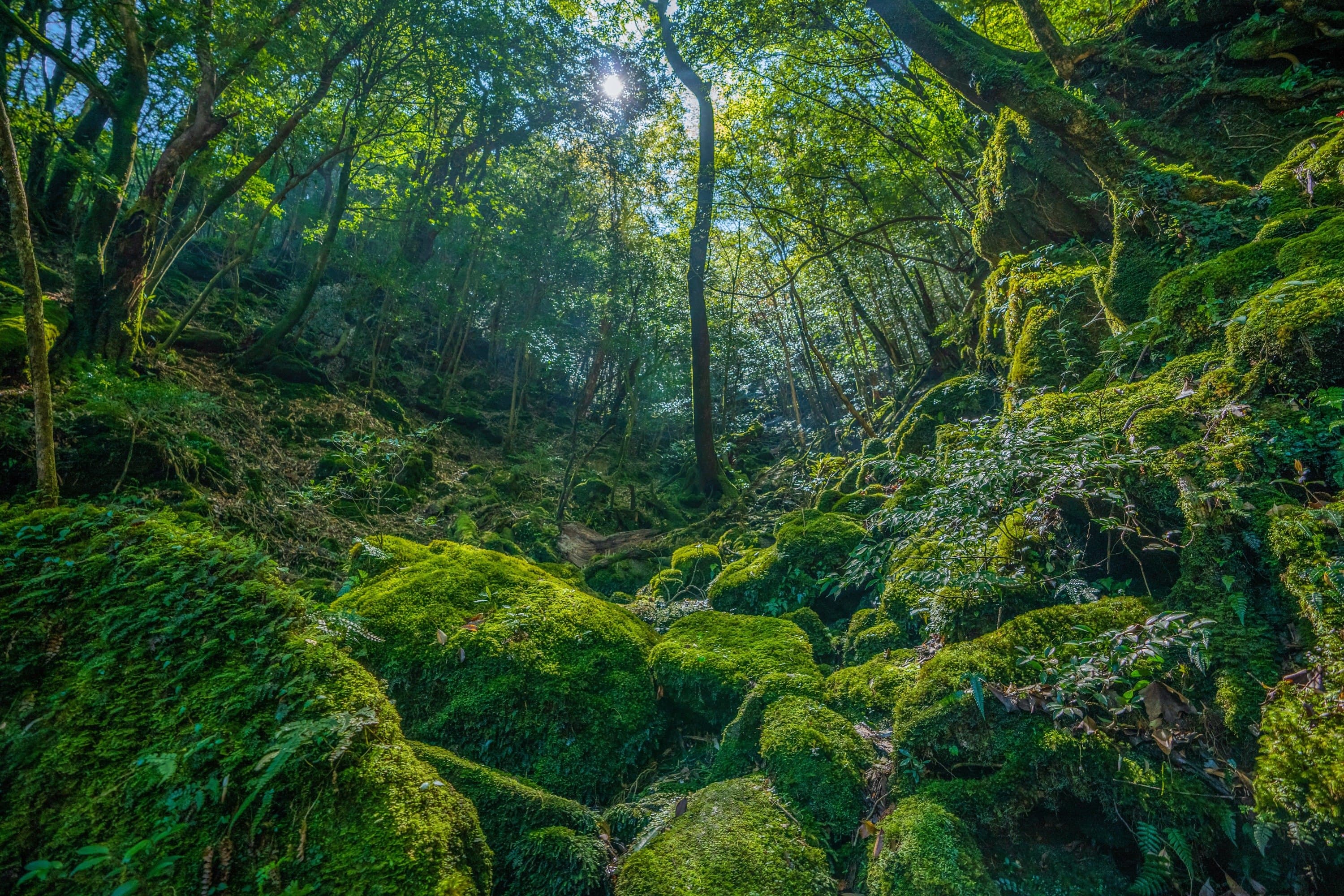
A remote island off the southern coast of Kyushu, Yakushima retains an air of unspoilt majesty, its ancient cedar forests home to some of the world’s oldest living trees. A moist subtropical climate makes for an incredible abundance of plant species, nourished by the island’s frequent rains. The mountainous interior is perfect for hiking, with the 1,000-acre Shiratani Unsuikyo Ravine, a mossy, wooded kingdom, serving as the fairytale-like inspiration for Hayao Miyazaki’s film Princess Mononoke. Its rocky outcrop, Taiko Iwa, can be reached by an old logging trail, for panoramic views of the forest. Afterward, at Hirauchi Kaichu Onsen, three stone baths built into the shoreline (fed both by sea and sulfur hot spring) grant another perfect moment to relax and connect with the island’s otherworldly natural surroundings.
Kanazawa
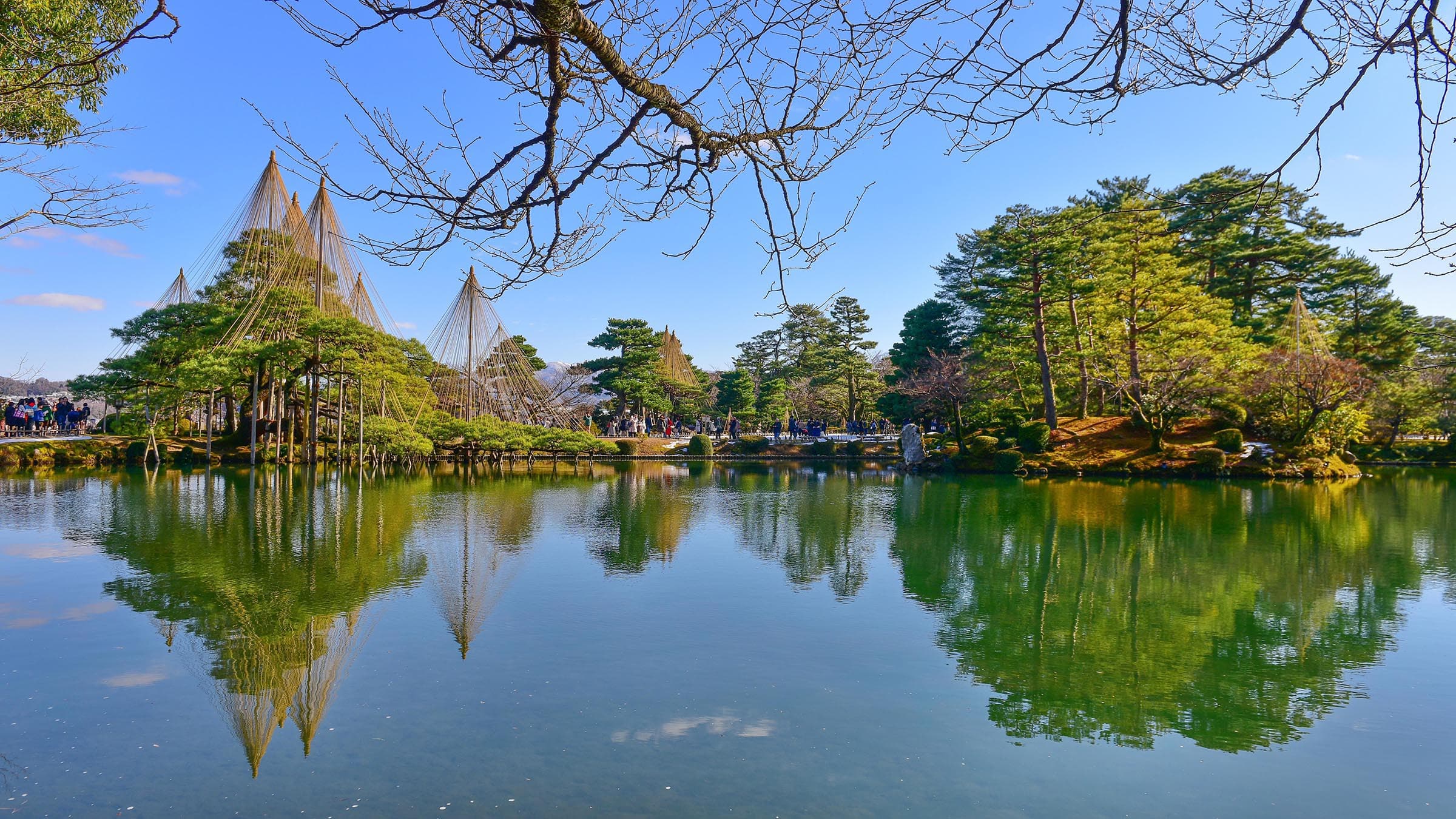
As the capital of the Ishikawa Prefecture, on Japan’s central Honshu Island, Kanazawa was once a powerful city ruled by the wealthy Maeda family during the Edo period. Today, as one of the best-preserved historic cities, its many cultural attractions are a delight to explore. No site is more famous than Kenrokuen, another of the “three great gardens,” whose abundance of flowering trees once served as the outer garden of nearby Kanazawa Castle. Take a walk through the Higashi Chaya district and enjoy a traditional geisha teahouse, then explore the winding streets of the Naga-machi district that lead through the beautifully preserved wooden homes of wealthy samurai. Don’t leave without sampling some of the local crafts—begun during the Edo period, master artisans with generations of experience produce more than 30 different types of wares, including Kutani porcelain, Kaga Yuzen silk dyeing and Kanazawa gold leaf.