10 Spectacular Birding Destinations Around the World
While you can spot birdlife on most voyages with National Geographic-Lindblad Expeditions, there are certain destinations that stop even the most serious birder in their tracks. The exceptional places that made this list offer incredible opportunities to walk among jaw-dropping colonies of birds or to spot a single, rare species found nowhere else in the world. Zodiac around Norway's Bear Island, where one million seabirds engulf the sky; step into the Ecuadorian Chocó, which teems with more than 400 species; or search for the vibrant orange fruit dove on Fiji's lush Taveuni Island.
In the company of your expert guides, you’ll encounter and photograph exceptional birdlife. Even guests who don't consider themselves twitchers will be awed by the avian fireworks they'll spot in the sky and on the shore.
Bear Island, Norway
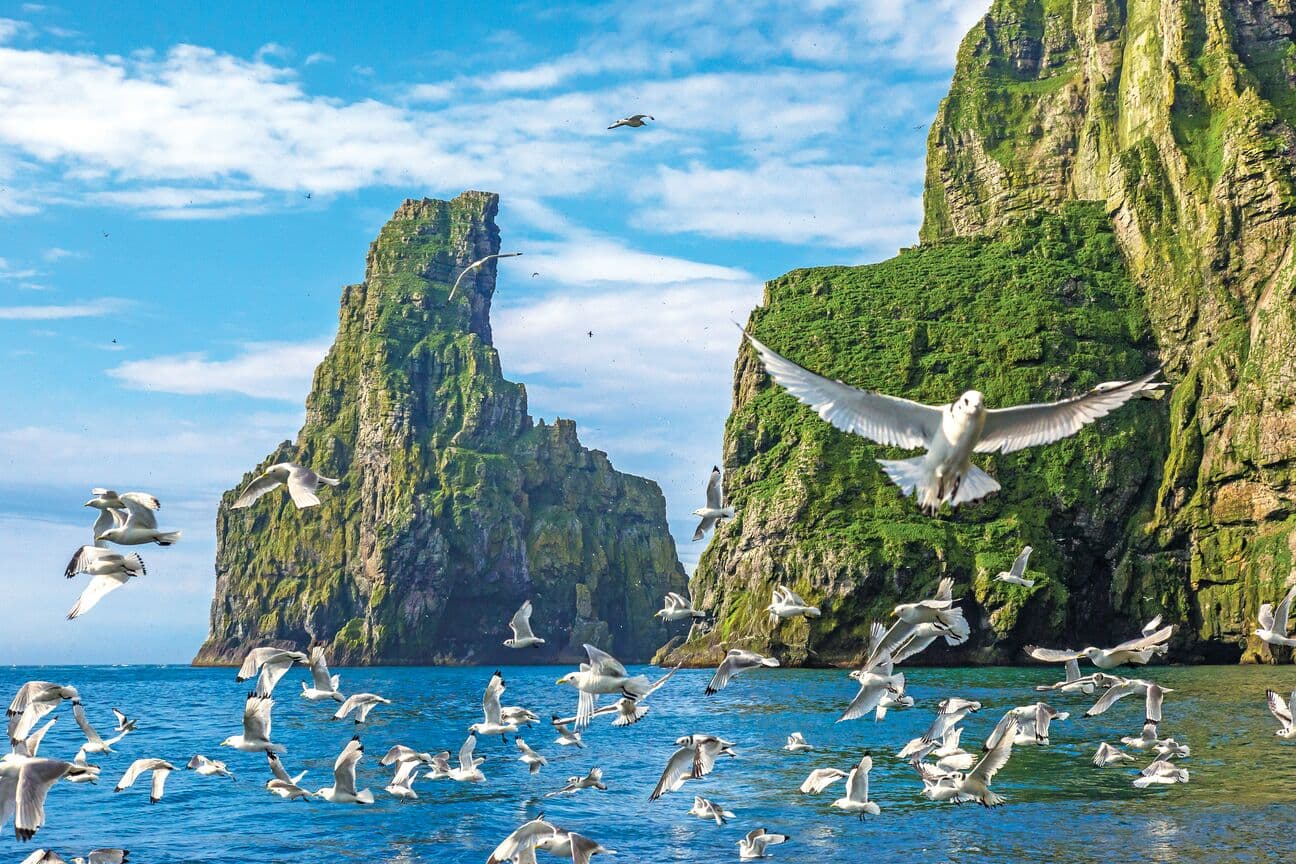
Don’t be fooled by the name. This small island, halfway between northern Norway and the High Arctic archipelago of Svalbard, should really be called “Bird Island” for its staggering number of avian inhabitants. On a National Geographic-Lindblad Expeditions voyage, prepare for one of the Arctic’s most unforgettable wildlife encounters as you Zodiac cruise through mist-shrouded coves and inlets. Look up to see tens of thousands of fulmars filling the sky, while black-legged kittiwakes throng the sea below. Along the sheer Fuglefjellet cliffs—the highest seabird cliffs in the North Atlantic—common guillemots perch like tiny penguins. Hundreds of thousands of murres, dovekies and purple sandpipers also call this wild sanctuary home.
Explore Bear Island on:
Norwegian Discovery: Svalbard and the Northern Fjords
Norway’s Fjords and Arctic Svalbard
Photo: Ralph Lee Hopkins
Pitcairn Islands, South Pacific
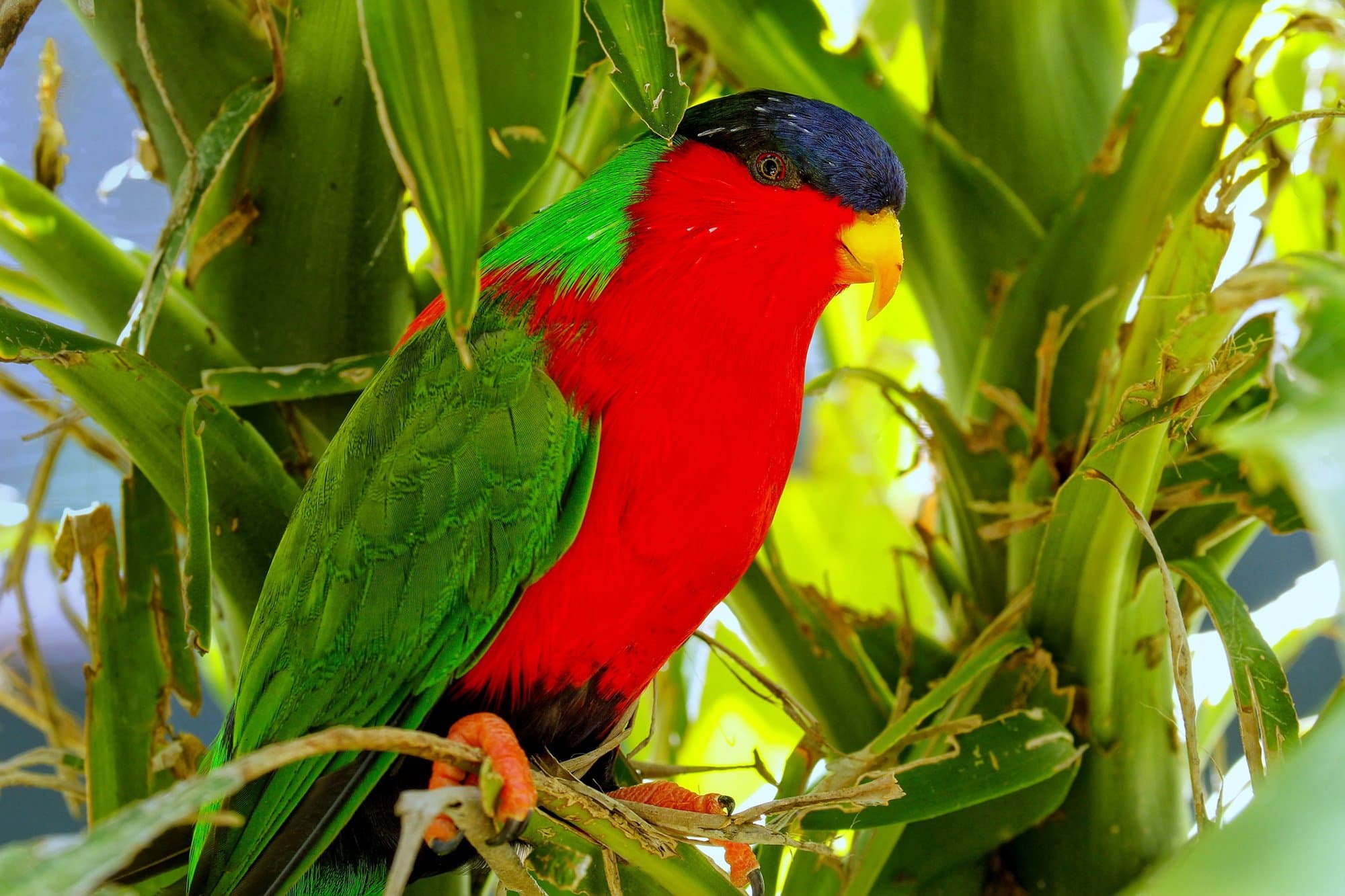
Remote and rarely visited, the Pitcairn Islands are among the most isolated archipelagos on Earth—a scattering of volcanic peaks and coral atolls in the South Pacific, where a handful of people share the islands with hundreds of thousands of seabirds. On Henderson Island, a UNESCO World Heritage site, four endemic species flourish in tangled forests shaped by centuries of isolation: the Henderson petrel, fruit dove, lorikeet and reed warbler. At Ducie Atoll, a luminous ring of coral, frigatebirds and boobies wheel overhead as schools of fish flicker below, all drawn to the rich waters that surround the reef.
Explore the Pitcairn Islands on:
Easter Island to Tahiti: Tales of the Pacific
The Ecuadorian Chocó
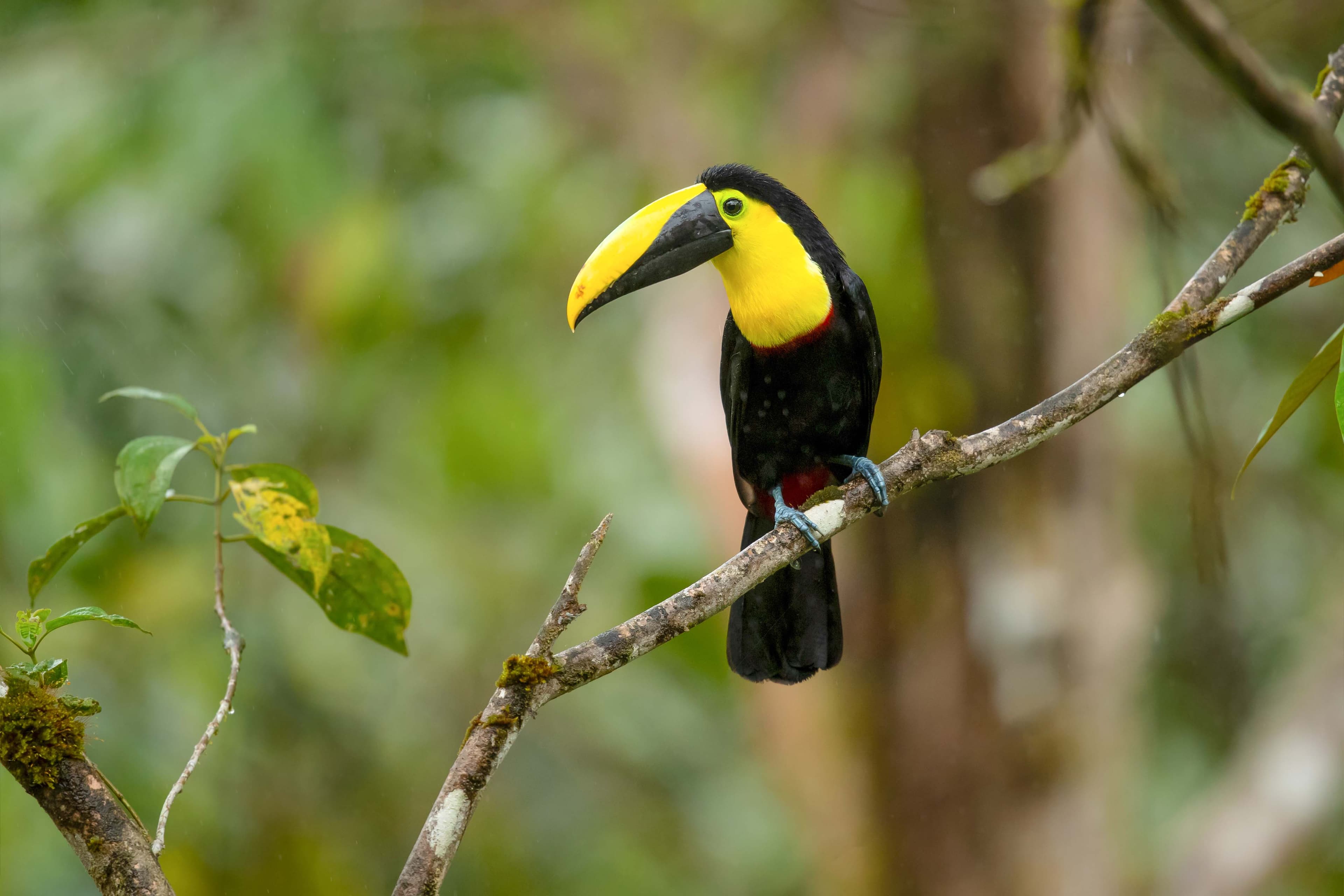
Many birders head to Ecuador with their sights set on the Galápagos—and with good reason. The number and variety of endemic birds there is the stuff of legend, from blue-footed boobies to Darwin’s finches. But the Andean highlands and the biodiverse Chocó forest offer their own rewards. Before heading to Galápagos, join a National Geographic–Lindblad Expeditions pre-voyage extension at Mashpi Lodge, a sleek sanctuary set deep in Ecuador’s cloud forest. From the verandas, watch a kaleidoscope of hummingbirds, motmots and trogons flit through the mist. Venture into the surrounding reserve to hike lush rainforest trails, glide silently above the canopy by open-air tram or pedal an ingenious aerial bicycle. Also keep your eyes peeled for the yellow-striped Chocó toucan, the moss-backed tanager and more than 400 other species that fill this extraordinary bio-region
Explore the Ecuadorian Chocó >
Columbia and Snake Rivers
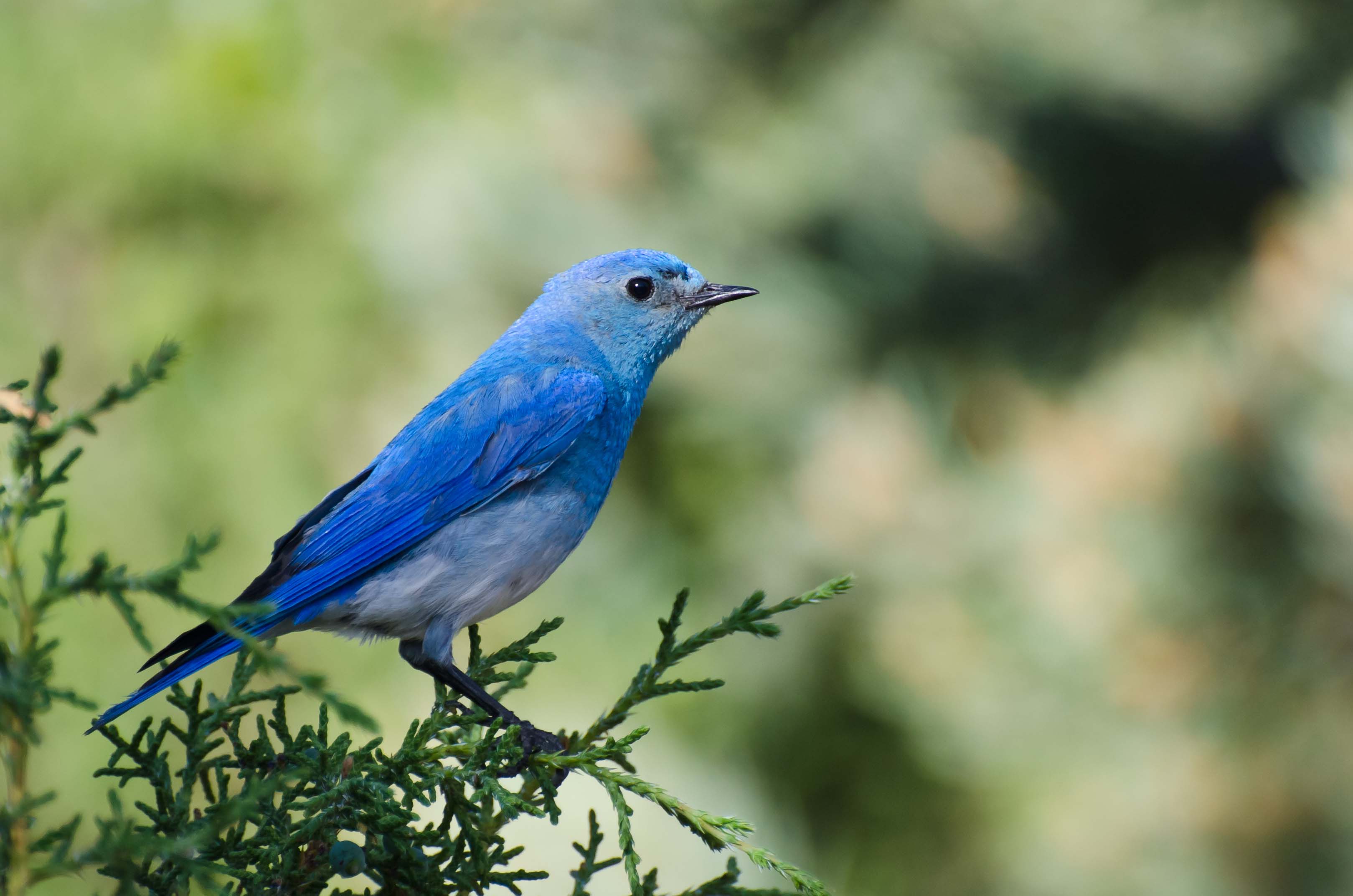
With two of the top ten longest bird lists of any U.S. state, Oregon and Washington promise superb birding close to home. Along the Columbia and Snake Rivers, guests aboard expedition ships wind through a landscape of sagebrush, basalt cliffs and wide-open skies alive with wings. Watch for a flash of deep, sky-blue—the mountain bluebird, a small migratory thrush that brightens the high desert. Listen for the cascading song of the bronze and white-bibbed canyon wren echoing across the slopes, or spot Say’s phoebe, a copper and gray flycatcher, returning to its nesting grounds each spring. As the rivers carve their way through this rugged frontier, every bend offers a new chorus of color and song.
Explore the Columbia and Snake Rivers >
Divjakë–Karavasta National Park, Albania
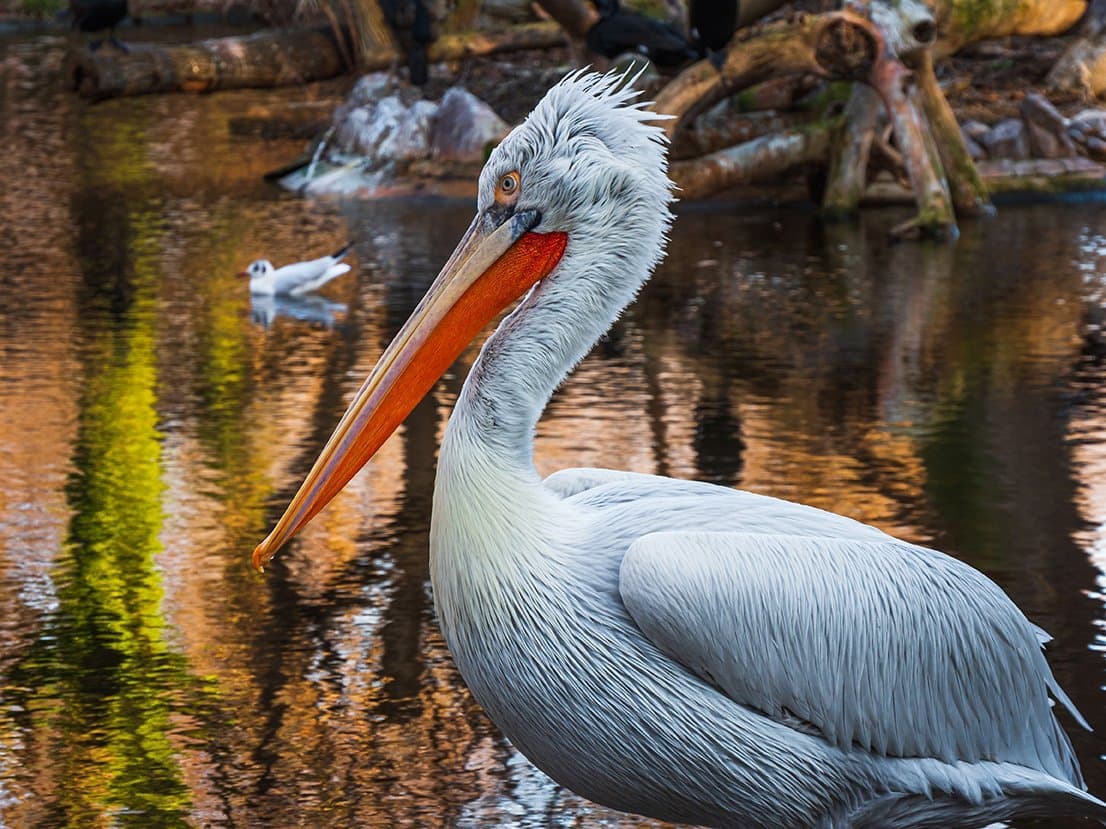
This little-known sanctuary along the Adriatic coast is a vital stop along the Adriatic Flyway, one of Europe’s great migratory routes. The vast Karavasta Lagoon, separated from the sea by shifting dunes and pine forests, forms the heart of the protected landscape—a haven for more than 240 bird species. Here, the rare Dalmatian pelican, with its seven-foot wingspan, glides low over the water, while flocks of greater flamingos and Kentish plovers feed in the shallows. The air hums with herons and cormorants, and the quiet rustle of reeds hides countless migratory visitors that rest here on their journey between Europe and Africa.
Explore Divjakë–Karavasta National Park on:
Ancient Mediterranean: Exploring Greece, Croatia and Albania
Taveuni Island, Fiji
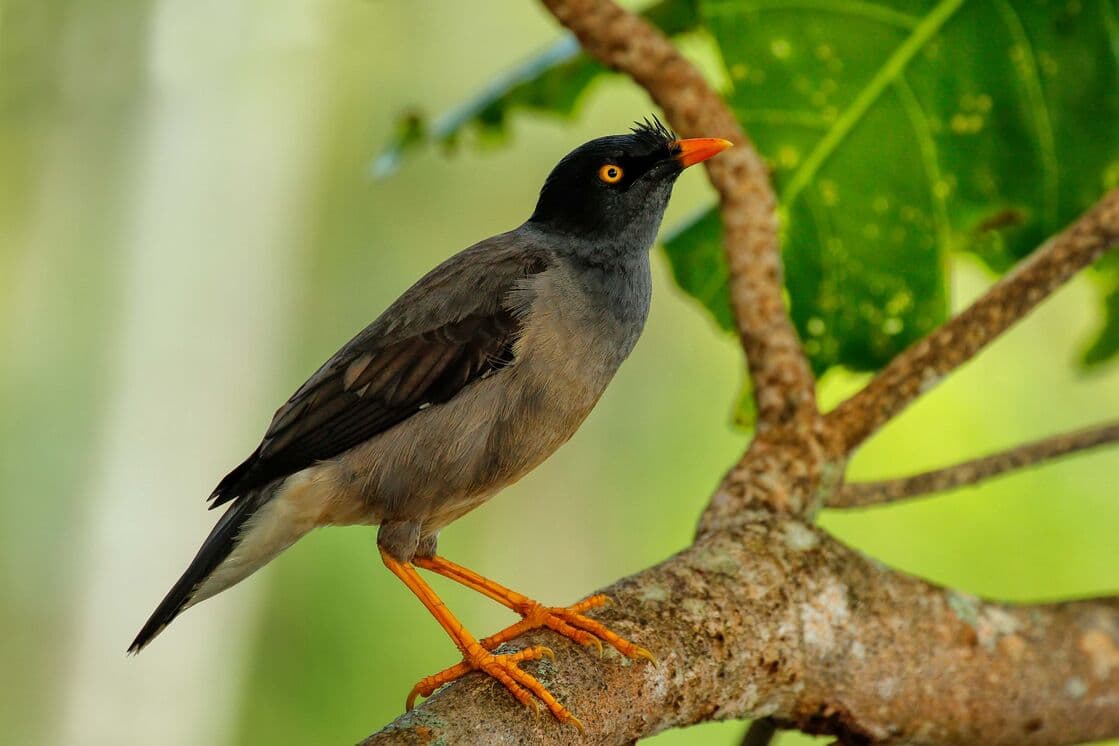
Green and glorious, Fiji’s third largest island earned the moniker “The Garden Island'' for its rich vegetation, which in turn attracts more than 100 birds across the island and up to the mountainous area of Des Voeux Peak. Of the many species that inhabit Taveuni, several rare birds are found nowhere else in the world, like the elusive, but brightly hued orange fruit dove. Head inland to discover the sparkling waterfalls of Bouma National Heritage Park and to search for additional notable species such as sleek black silktails, fantails, jungle mynas (pictured here), shining parrots and the diminutive red-throated lorikeet.
Explore Taveuni Island on:
Fiji and Tahiti: Vibrant Reefs and Cultural History
Grímsey, Iceland
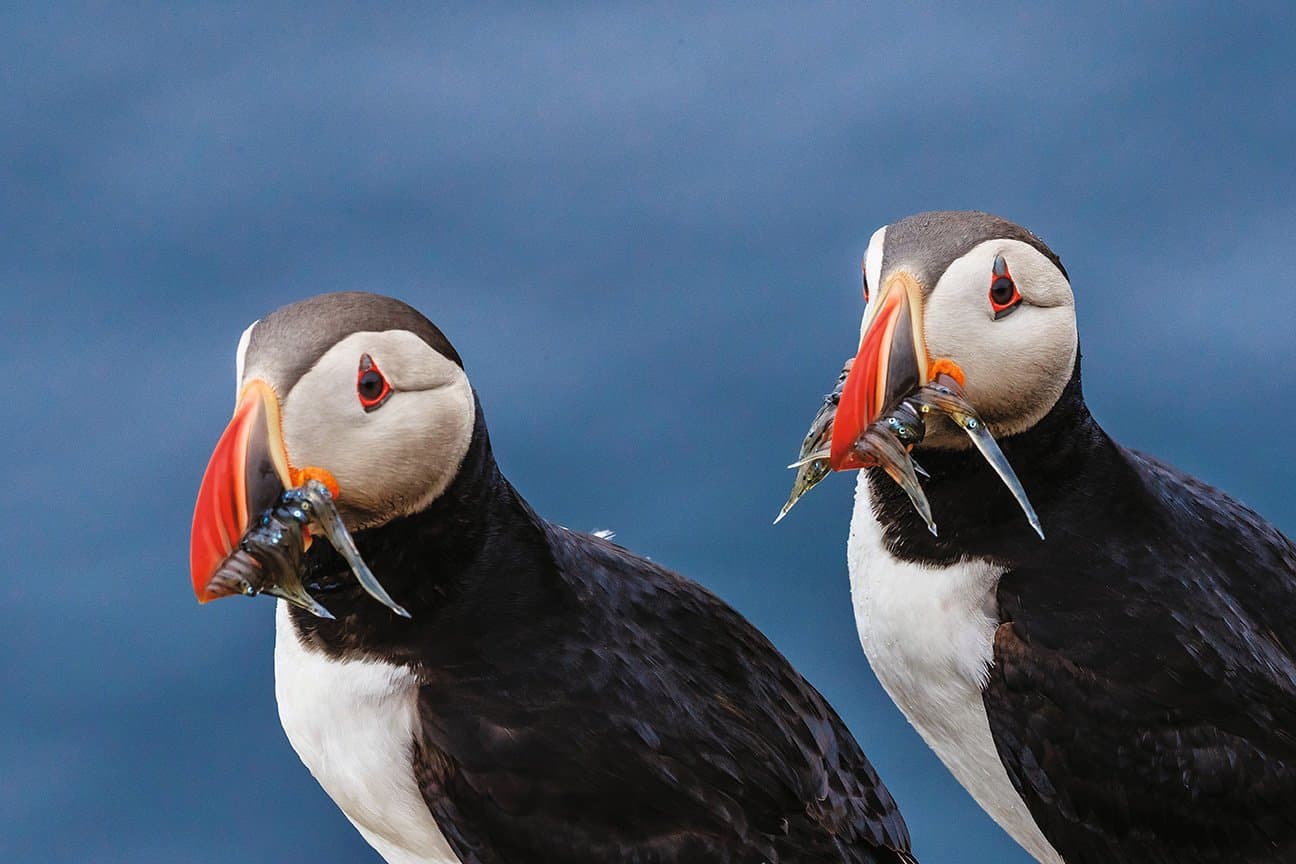
Bisected by the Arctic Circle, tiny Grímsey is Iceland’s northernmost inhabited island, where sheer cliffs erupt each spring and summer with the spectacle of nesting seabirds. More than 80,000 pairs of Atlantic puffins return between April and August to nest along the island’s grassy edges, their bright beaks and quick wingbeats filling the air. Arctic terns, fulmars and guillemots share the rugged coastline, but the puffins steal the show. Spend time quietly at the edge of their nesting cliffs and, before long, they flutter about their business, unfazed by your presence. Find the best angles alongside your National Geographic photographer, who will help you fine-tune your shutter speed to capture the perfect shot of these charismatic seabirds.
Explore Grímsey on:
Wild Arctic Shores: Circumnavigating Iceland and Exploring Greenland
Coastal Wonders of Norway, the Faroe Islands and Iceland
Curú National Wildlife Refuge, Costa Rica
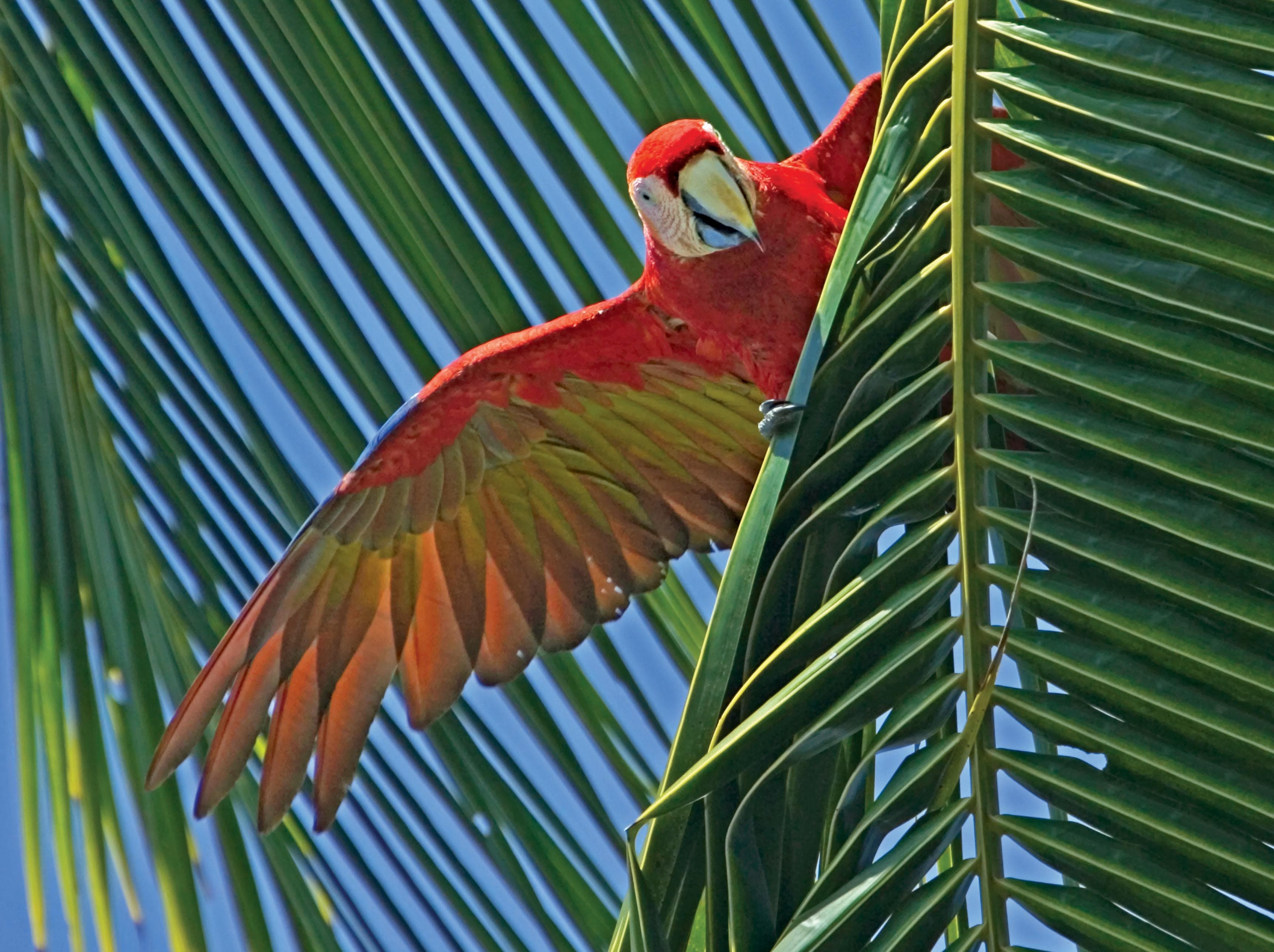
On the northwest coast of Costa Rica, along the Nicoya Peninsula, sits Curú National Wildlife Refuge, the country’s first private national wildlife reserve. The refuge offers a unique habitat for wildlife, straddling the division between the wet jungles of the south and Guanacaste’s drier environment.
There are hundreds of species of birds that inhabit this thriving ecosystem that we’ll look for while while exploring the park’s tracks and trails, including the colorful turquoise-browed motmots, which also sport orange and green feathers in addition to its colorful turquoise “brow” and tail. With luck, you might also spot scarlet macaws—large red parrots with brilliant blue and yellow wings.
Explore Curu National Wildlife Refuge >
Canary Islands
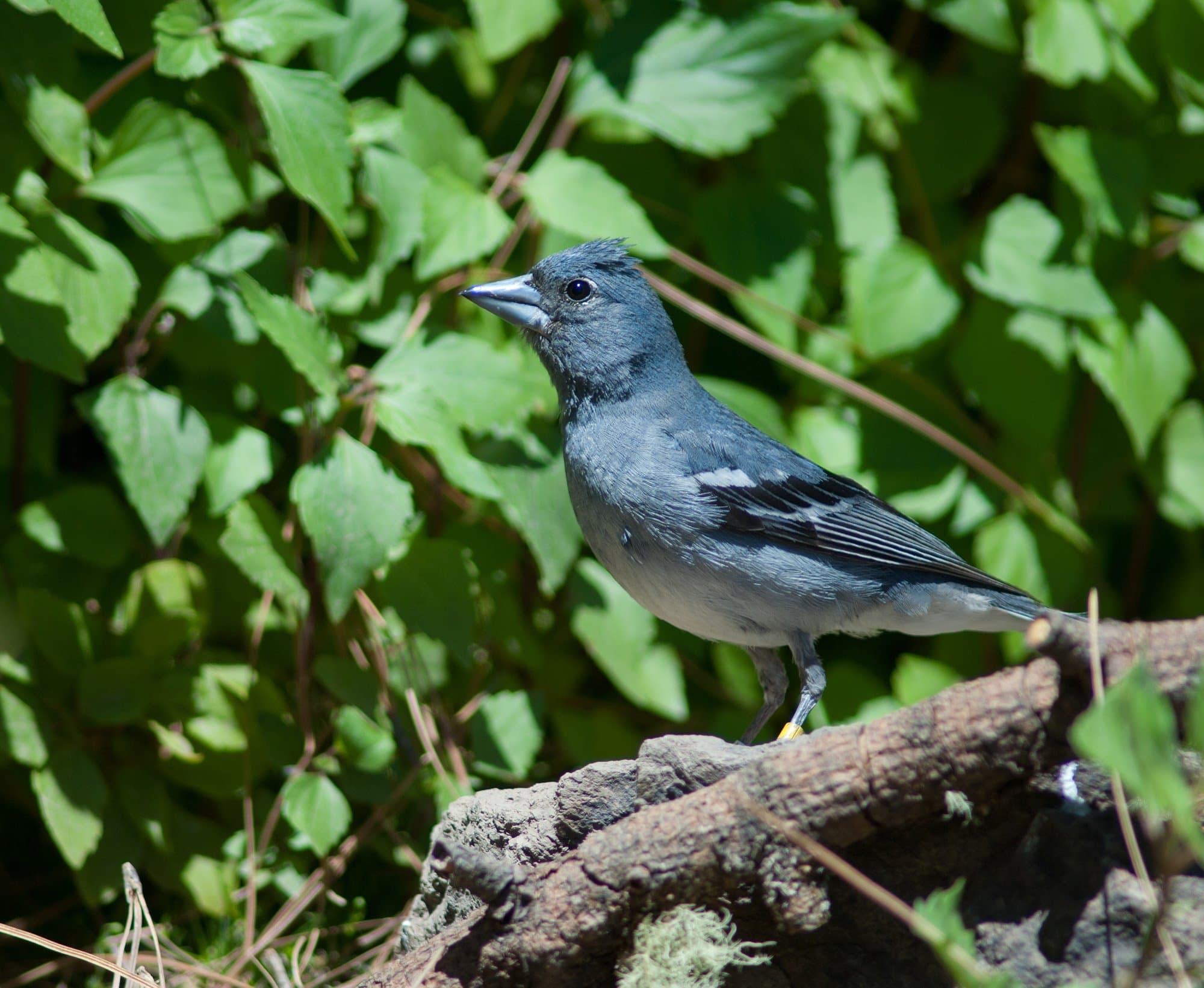
Scattered off the northwest coast of Africa, the Canary Islands tell a fascinating story of evolution. Each island is a microcosm, where volcanic slopes, misted ravines and ancient forests serve as a crossroads for Atlantic and African species found nowhere else. On Tenerife, look for signature endemics such as the blue chaffinch, canary chiffchaff and Bolle’s pigeon in the island’s pine and laurel forests. La Palma hosts its own subspecies of chaffinch and blue tit in temperate forests, and the old-growth forests of La Gomera are home to laurel pigeons, while offshore waters host seabirds such as petrels and shearwaters.
Explore the Canary Islands on:
Exploring Cabo Verde, the Canary Islands and the Azores
Continental Crossroads: Spain, Morocco and the Canary Islands
Roots of the Atlantic: Portugal, Morocco and the Canary Islands
Baja California
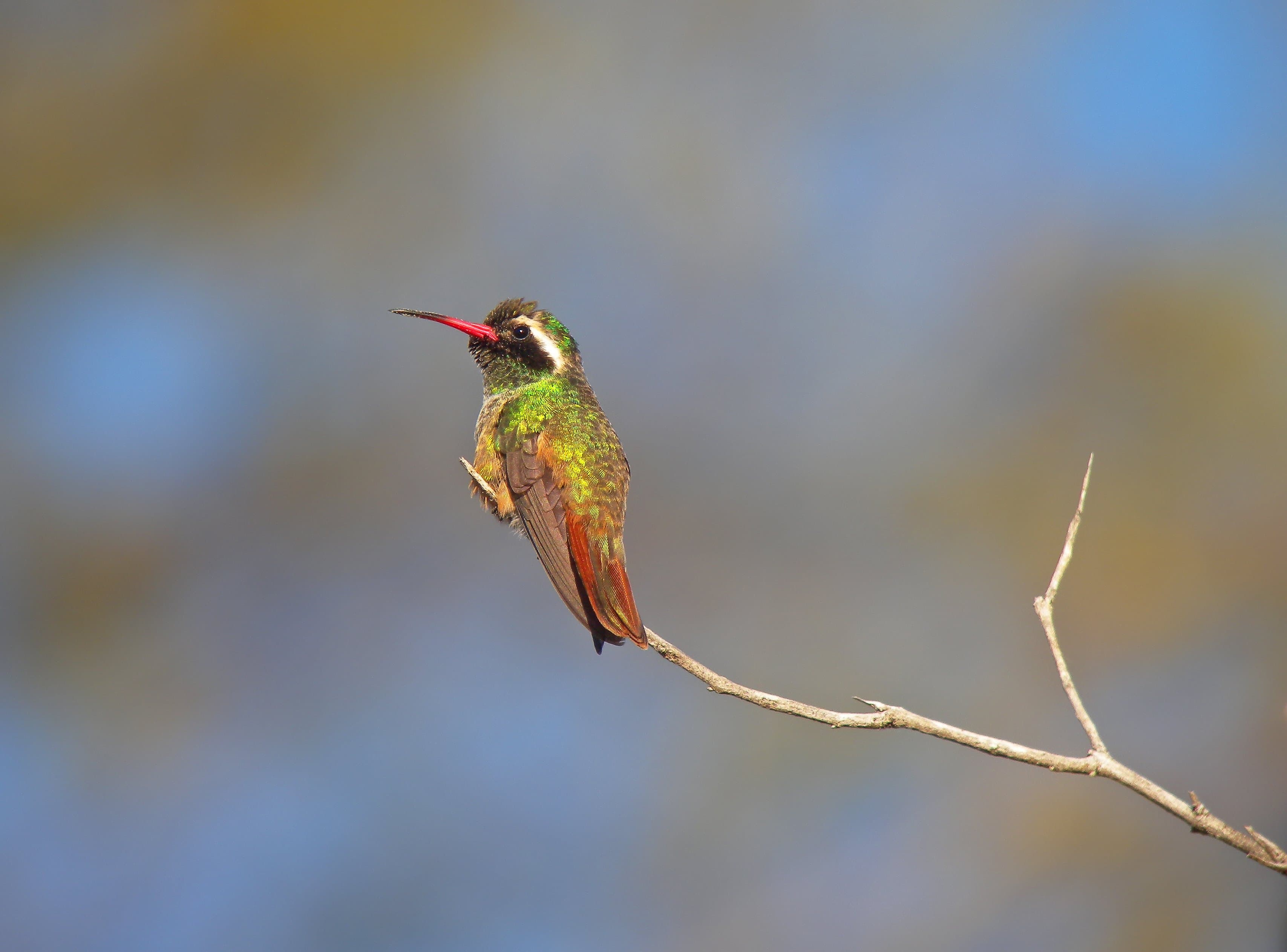
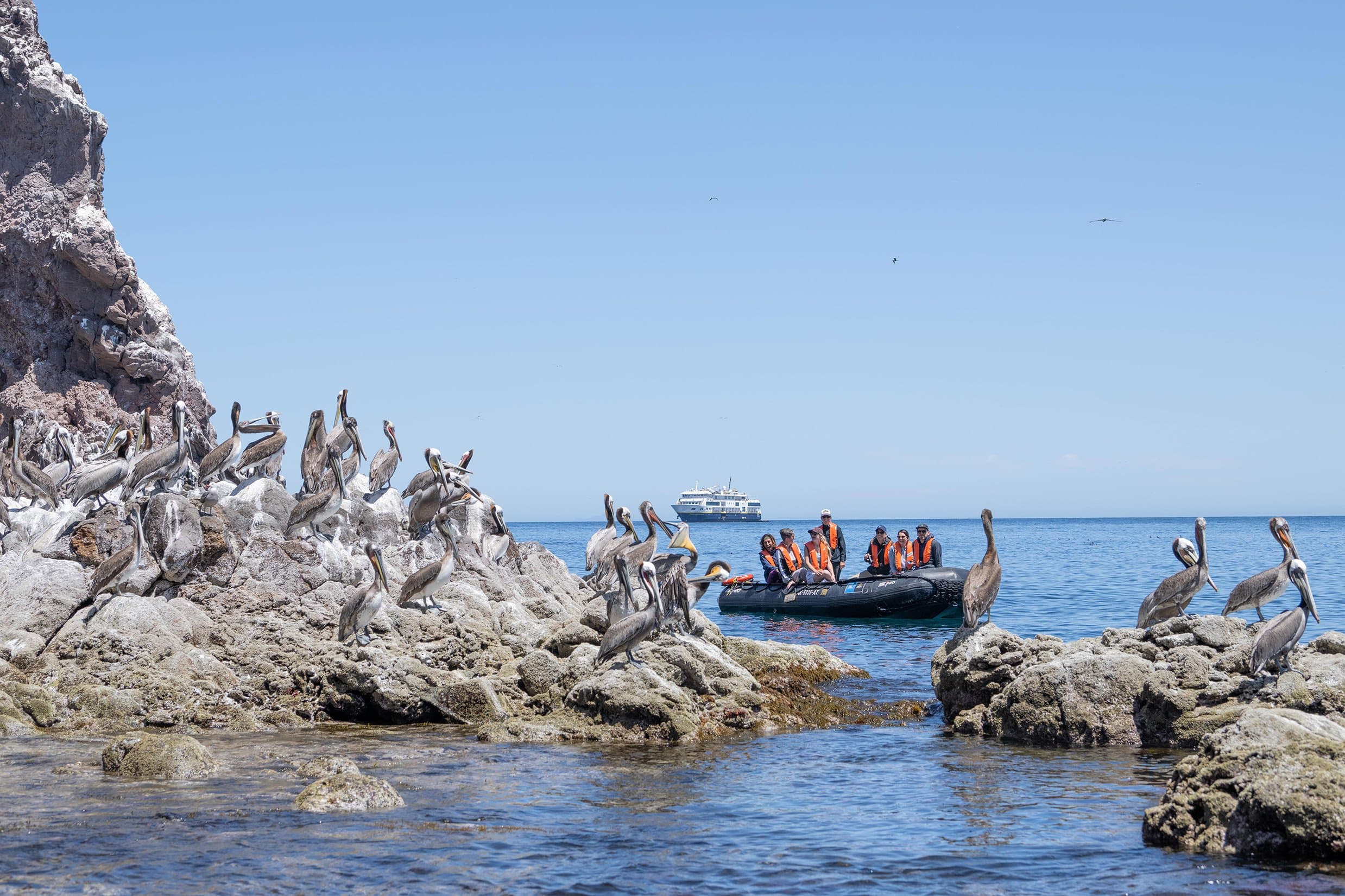
From mangrove channels to cactus-dotted isles, Baja California’s varied habitats support a remarkable diversity of seabirds and migrants. During the migratory season, up to 40 species can be seen in a single day: Heermann’s gulls and elegant terns while kayaking off Isla Rasa, thousands of brown pelicans and magnificent frigatebirds on a Zodiac cruise near Isla San Pedro Mártir, and endemic desert species such as Xantus’s hummingbird, black-throated sparrow and canyon wren on hikes across wild desert landscapes.