- Costa Rica
- Central America
- Duration
- 8 Days
- Dates
- Jan, Feb, Mar, Nov, Dec
- Starting from
- $6,228 per person
Call +1.800.397.3348 or Request a Quote
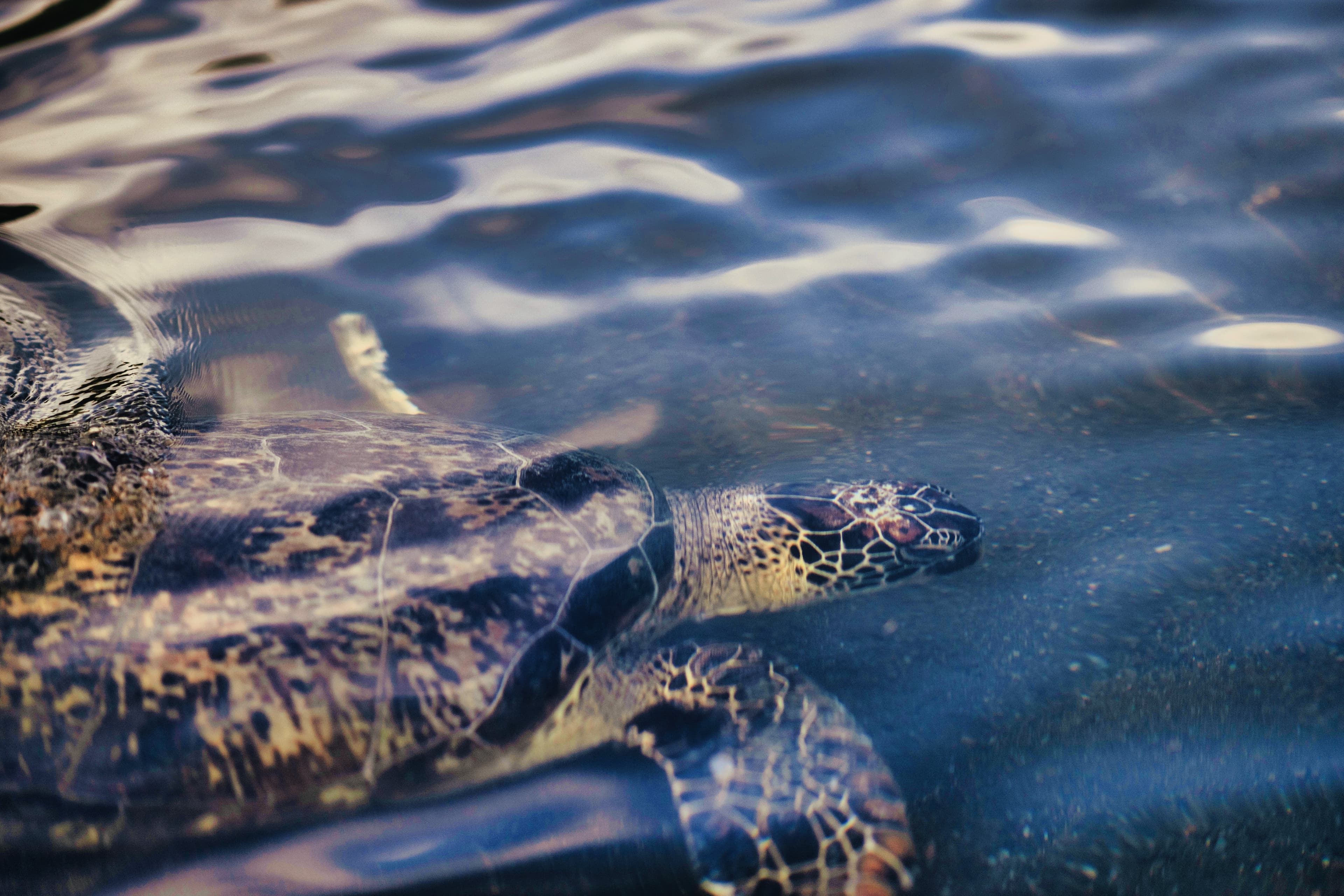
Dive into the depths of nearly every ocean on the globe and you’ll be sharing the water with one of the world’s oldest—and until recently, most mysterious—creatures: the sea turtle. These ancient reptiles predate even the dinosaurs, with their earliest known relatives appearing in the fossil record as far back as 260 million years ago. Sea turtles can be found in every marine environment but the polar seas, and throughout their lifetimes traverse a wider array of habitats than nearly any other ocean-dwelling animal, from sandy beaches to sargasso seas to deep open waters.
For environmentalists, this broad range makes sea turtles a vital “umbrella species”—an animal whose protection also safeguards the countless other species that share their habitat. While marine conservation efforts have made major strides in recent years, sea turtles are still facing existential threats across the globe, with six out of the seven species considered threatened or endangered.
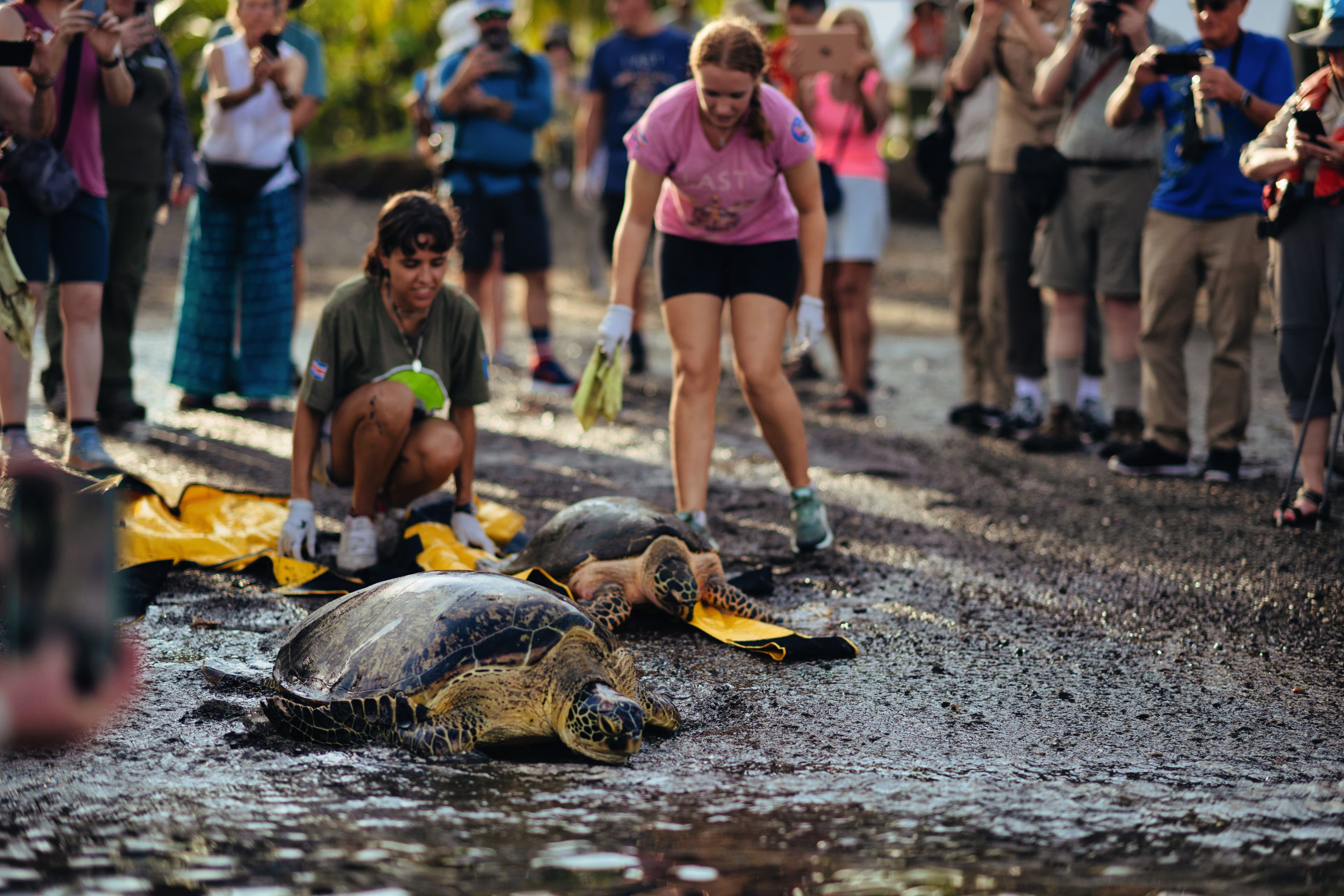
Guests observe as researchers release two rehabilitated sea turtles. Photo: David Vargas
In Costa Rica, researchers and environmentalists with the Latin American Sea Turtles Association (LAST), are making strides toward protecting these compelling creatures. Through a lineup of research, rescue, habitat restoration and government advocacy projects, LAST aims to preserve and promote the hawksbill sea turtle, one of the critically endangered species that dwells in Costa Rican waters.
Thanks to a special partnership with LAST, guests of National Geographic-Lindblad Expeditions on every departure of Costa Rica and the Panama Canal get an exclusive behind-the-scenes look at this critical work, meeting with researchers and rescuers at the Playa Blanca facility.
Over the course of the afternoon, you'll have the incredible opportunity to help researchers with data collection, hear presentations from the staff, and learn more about LAST’s impact on the local sea turtle population. At the end of your visit, you’ll be invited to watch as healthy turtles are released back into the Pacific—a truly poignant and unforgettable encounter.
“The LAST team members know the local hawksbills by sight, and even know some of their stories,” says Alena H., who visited the organization on a recent voyage. “It was inspiring to see how deeply they care for the turtles that come to Playa Blanca year after year to nest—and a really joyful moment to see one of the turtles return to the sea after receiving its “check-up.”
Ahead of your own visit to Costa Rica and LAST, learn more with seven fascinating facts about these compelling chelonians.
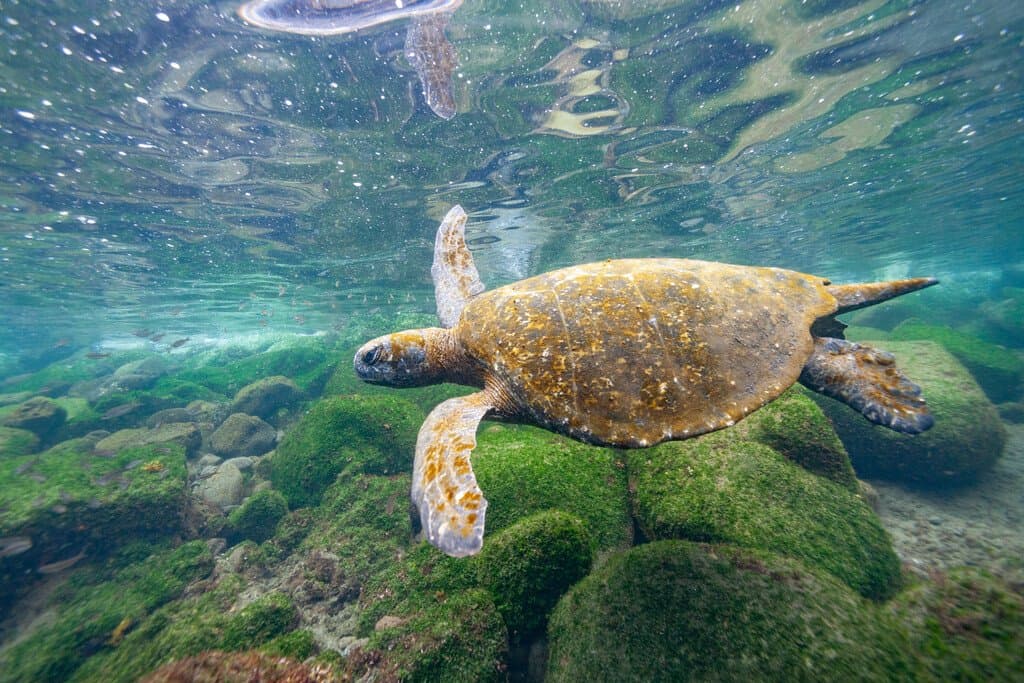
It comes as no surprise that creatures who spend their lives at sea are top-notch swimmers, but new tracking reveals these reptiles are even more impressive than previously thought. One loggerhead in 2020 was found to have covered just under 22,000 miles in two years—a longer migratory journey than even humpback whales and great white sharks.
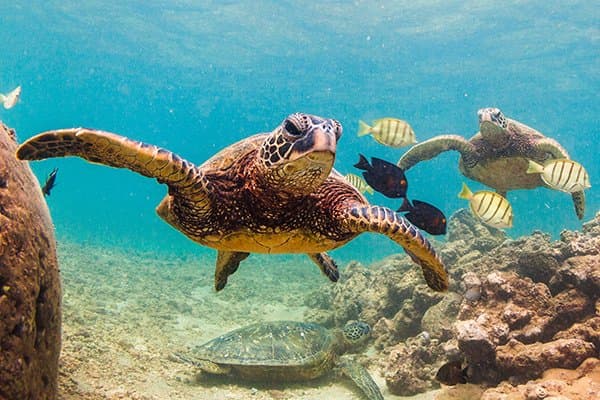
Sea turtles nest at the same beach where they hatched, sometimes within a few hundred yards—a process called “natal homing.” Scientists still aren’t certain how it works, but it’s believed that turtles can sense the strength and direction of the earth’s magnetic field and use it to navigate toward the unique magnetic signature of their birthplace.
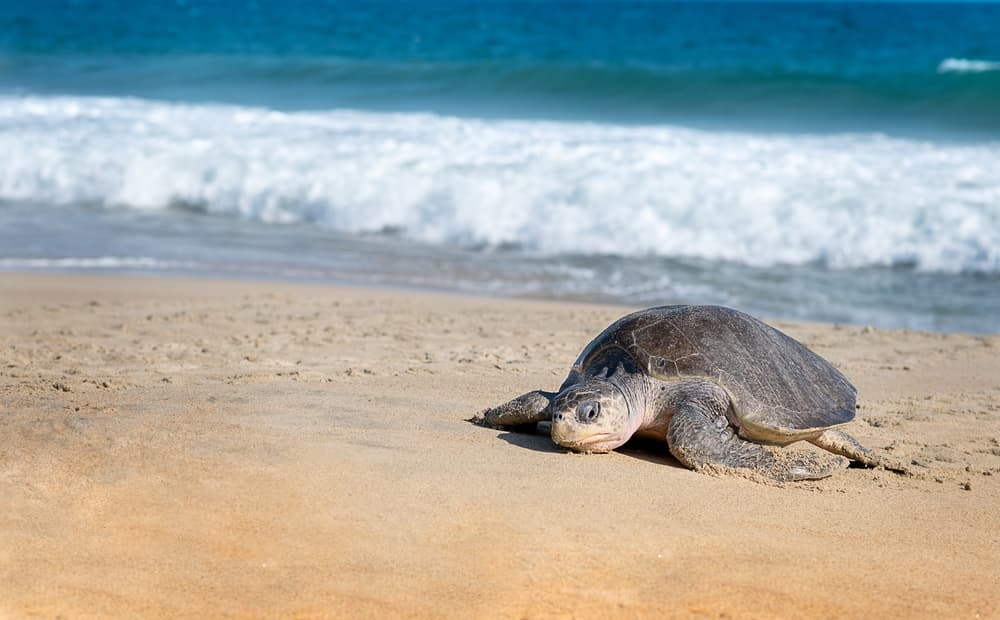
When a turtle lays a clutch of eggs, the temperature of the surrounding sand will govern how many male and female turtles emerge, a process called “temperature dependent sex determination.” Sand below 81 degrees Fahrenheit will hatch males, while incubating temps over 88 will lead to a female clutch—which means a warming planet could have devastating implications for sea turtle populations.
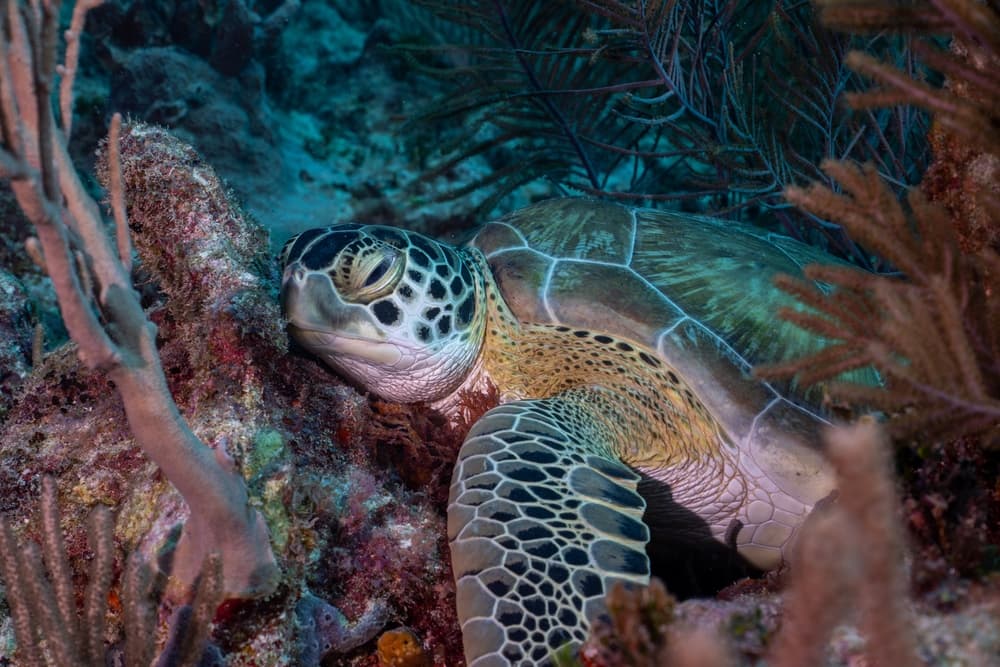
The pattern of scales on a sea turtle’s face is unique to each individual, meaning it can serve as an identification tool much like a human fingerprint. Conservation organizations now use underwater photos—often snapped and submitted by lay observers—of individual turtles to inform their understanding of migrations and population changes.
Photo: Michael S. Nolan
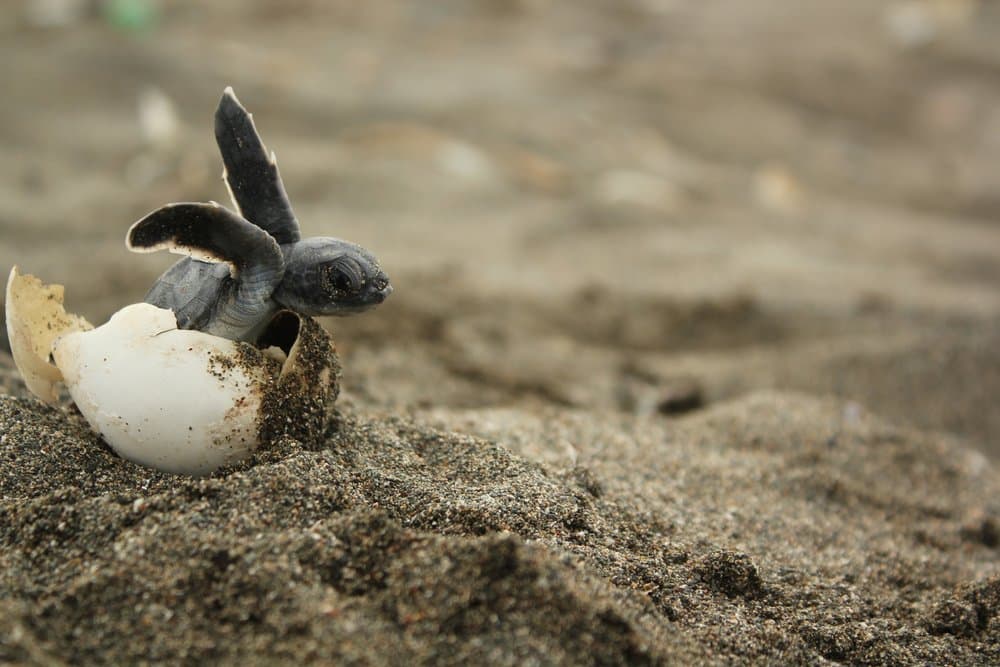
A typical sea turtle nest contains around 100 spherical eggs, which range from ping-pong ball to billiard ball size depending on the species. Unlike calcium-based poultry eggs, turtle eggshells are heavily composed of proteins, giving them a soft, leathery feel and ensuring that they won’t break as the female turtle drops them into her nest from above, a distance of around 18 inches.
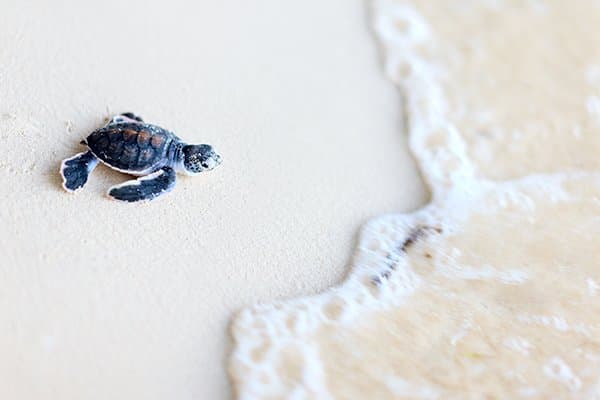
Once a hatchling makes it from the nest to open water, it won’t return to the coastline for another 5 to 10 years. Scientists long referred to this once-mysterious period as “the lost years,” but satellite tracking has recently revealed that juvenile turtles spend those years living in sargassum mats, where they can bulk up on algae while remaining well-camouflaged from predators.
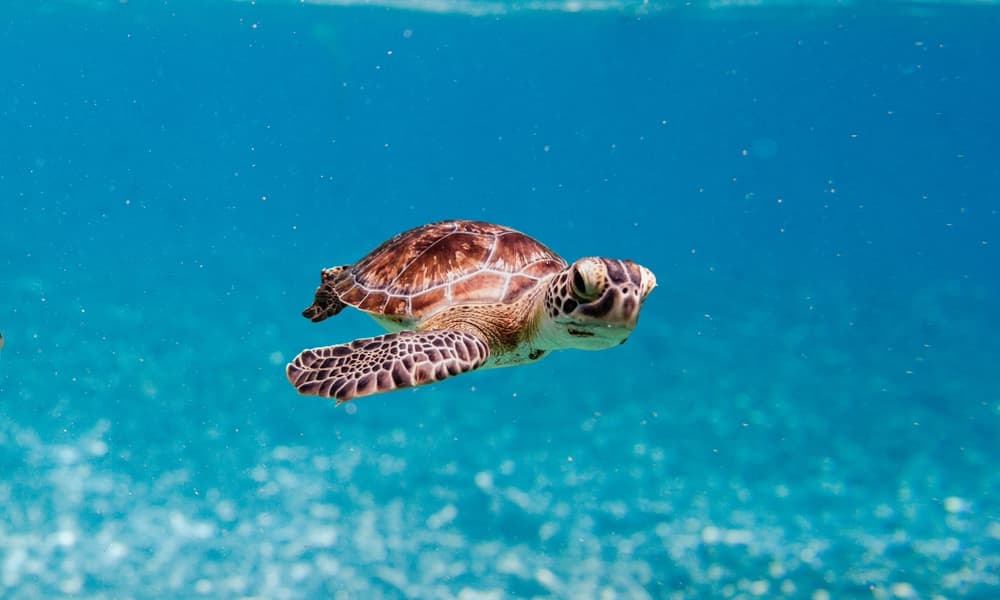
Marine turtles have notably slow metabolic rates, allowing them to conserve energy and oxygen for marathon swims. During periods of inactivity, their metabolism slows even further to preserve these resources—while sleeping, a sea turtle can slow its heart rate to one beat every nine minutes, and stay underwater for up to seven hours before resurfacing to breathe.